
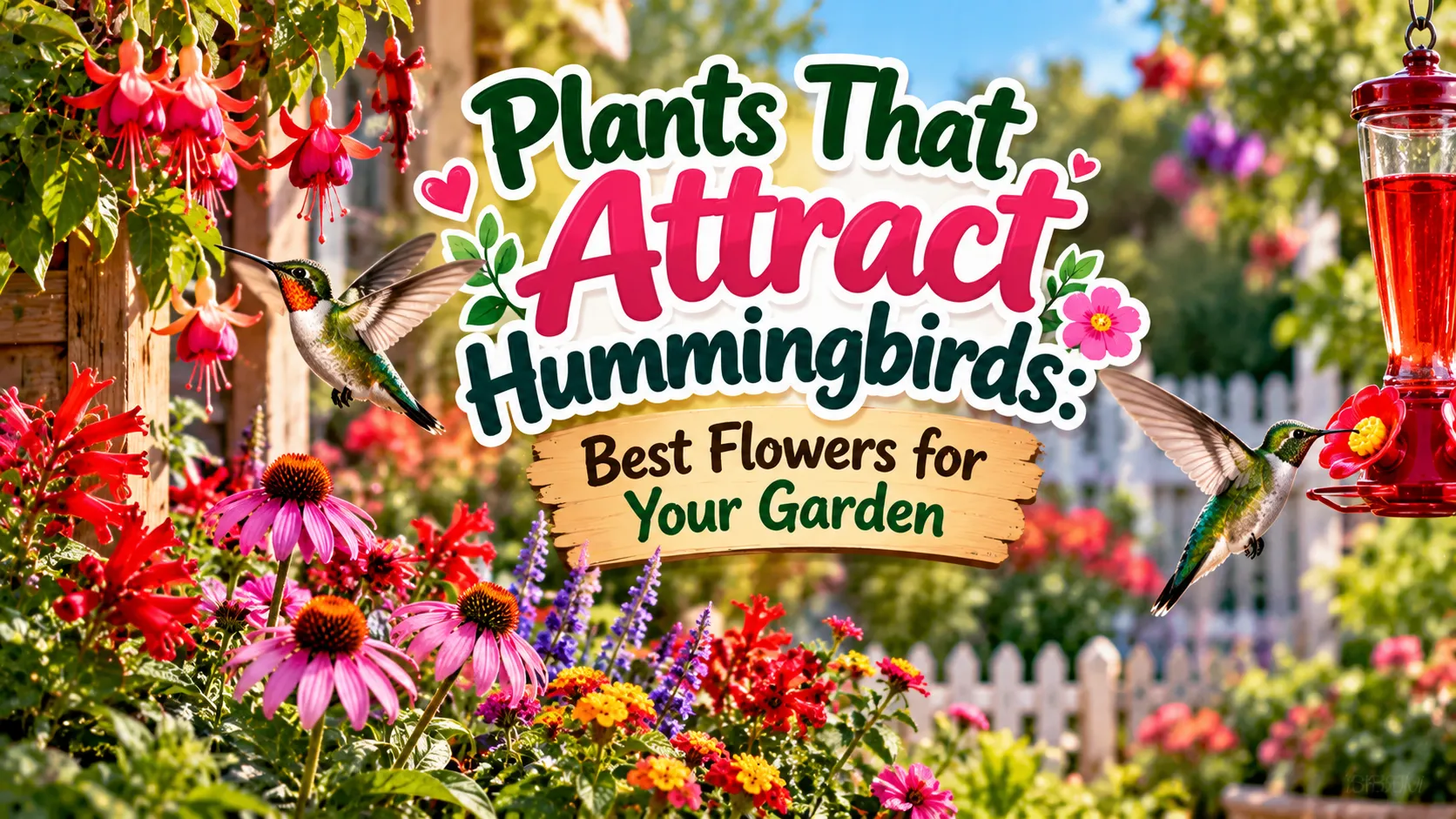
Plants that attract hummingbirds can transform an ordinary garden into a colorful, lively space filled with beautiful flowers and fascinating wildlife. These tiny birds are famous for their rapid wingbeats, hovering flight, and ability to sip nectar from flowers while remaining in the air. By choosing the right flowering plants, you can create a welcoming habitat that provides natural food throughout the growing season.
Hummingbirds are especially attracted to nectar-rich flowers with tubular shapes and bright colors, particularly red, orange, and pink. However, they also visit flowers in many other colors. A combination of flowering perennials, shrubs, vines, and annuals can provide a more consistent food supply than relying on a single plant. Native plants are particularly valuable because they often suit local growing conditions and support other wildlife.
Whether you have a large backyard, a small patio, or a few containers on a balcony, the right plants can help you create a more inviting outdoor space. This guide covers the best flowers for hummingbirds, their growing requirements, and practical ways to make your garden more attractive to these remarkable birds.
🌺 Best Plants That Attract Hummingbirds
The best hummingbird plants produce accessible nectar and flowers over a useful period. Choose varieties suited to your climate, then combine different bloom times to keep food available for longer.
1. Bee Balm
Bee balm (Monarda) is a colorful perennial with shaggy flowers in red, pink, purple, or white. Its tubular flowers provide nectar for hummingbirds, while its bright blooms add a cheerful look to garden beds.
Grow bee balm in full sun or partial shade, depending on the variety. It generally prefers moist, well-drained soil and good airflow.
2. Cardinal Flower
Cardinal flower (Lobelia cardinalis) produces striking red flower spikes that are particularly attractive to hummingbirds. It is a native North American perennial that often grows naturally in moist locations.
Plant it in partial shade or suitable sunny areas where the soil remains consistently moist. It works well near water gardens and rain gardens.
3. Trumpet Honeysuckle
Trumpet honeysuckle (Lonicera sempervirens) is a climbing vine with red or coral tubular flowers. It can grow along a trellis, fence, or garden arbor, bringing flowers closer to places where you can watch visiting birds.
Provide a support structure, suitable sunlight, and well-drained soil. Choose native trumpet honeysuckle rather than invasive honeysuckle species where possible.
4. Salvia
Salvia includes many flowering plants with nectar-rich blooms in red, purple, blue, and pink. Several varieties attract hummingbirds and continue flowering for extended periods when growing conditions are favorable.
Select a salvia suited to your climate. Many prefer sunny locations and well-drained soil, although watering needs differ between species.
5. Columbine
Columbine (Aquilegia) produces distinctive flowers with long spurs that contain nectar. Native species such as eastern red columbine can attract hummingbirds during spring.
Columbine generally grows well in partial shade or suitable sunny locations, depending on the species and climate. It is an excellent option for woodland borders and cottage-style gardens.
6. Trumpet Vine
Trumpet vine (Campsis radicans) is a vigorous climbing plant with large, trumpet-shaped orange or red flowers. Its blooms offer an accessible nectar source for hummingbirds during summer.
Because it spreads aggressively through underground shoots and self-seeding, plant it only where you can manage its growth. A strong support structure and regular pruning help keep it under control.
7. Penstemon
Penstemon, also called beardtongue, produces clusters of tubular flowers in shades of red, pink, purple, and blue. Many species are well suited to pollinator gardens and attract hummingbirds.
Growing requirements vary, but numerous penstemons prefer sunny sites and well-drained soil. Choose species native to your region for the best local fit.
8. Fuchsia
Fuchsia plants have dangling, decorative flowers that often combine red, pink, purple, and white. They can attract hummingbirds and look especially attractive in hanging baskets or containers.
Many fuchsias prefer partial shade, regular moisture, and protection from intense heat. Select a variety that suits your local climate.
🌷 More Flowers That Hummingbirds Love
Hummingbirds visit many kinds of flowering plants, not only red tubular blooms. Adding different flower shapes and colors can make your garden more diverse and provide nectar across several seasons.
- Firebush: A warm-climate shrub with orange-red tubular flowers.
- Crossvine: A climbing vine with showy orange-red flowers.
- Jewelweed: A native annual with orange or yellow flowers, often suited to moist, partly shaded locations.
- Bee balm: A nectar-rich perennial with colorful, distinctive flower heads.
- Rose mallow: A flowering plant with large blooms that can provide nectar for visiting wildlife.
- Zinnia: A colorful annual that supports pollinators and adds seasonal garden color.
- Hibiscus: Certain species provide large, attractive flowers and can suit warm-climate gardens.
- Anise hyssop: A flowering perennial that attracts a range of pollinators, including hummingbirds.
Always check each plant’s mature size, water needs, and local growing requirements before planting.
☀️ Best Plants That Attract Hummingbirds in Full Sun
Sunny garden beds offer plenty of opportunities to grow nectar-rich flowers. Many hummingbird favorites flower abundantly in full sun when they receive suitable water and soil conditions.
Bee balm, salvia, penstemon, trumpet vine, and firebush can be good choices, depending on the variety and your climate. In hot regions, provide extra attention to moisture requirements and protect plants that struggle with intense afternoon heat.
Group several plants together rather than scattering individual flowers throughout the yard. Larger clusters can make nectar sources easier for hummingbirds to locate and provide multiple flowers in one feeding area.
🌳 Hummingbird Plants for Shade and Partial Shade
You do not need a completely sunny garden to attract hummingbirds. Several nectar-producing plants grow well in partial shade, and some can tolerate brighter shade beneath trees or along sheltered borders.
Columbine is useful for many partly shaded gardens, while fuchsia often performs well in areas protected from harsh afternoon sunlight. Certain trumpet honeysuckles can also tolerate partial shade.
The key is to match the plant to the actual conditions. Deep shade, dry tree roots, and poorly drained soil can limit flowering, even for shade-tolerant varieties. Check the needs of the particular species before planting.
🪴 Best Plants That Attract Hummingbirds in Pots
Container gardening makes it possible to grow hummingbird-friendly flowers on patios, balconies, decks, and small outdoor spaces.
Salvia, fuchsia, and suitable compact flowering plants can work well in containers. Choose a pot with drainage holes and use a potting mix appropriate for the plant. Containers dry out faster than garden beds, so check soil moisture regularly during warm weather.
Place containers where you can observe visiting birds without disturbing them. If you grow climbing plants, provide a suitable trellis or support and make sure the container is stable enough for the plant’s mature size.
📅 How to Choose Plants for Continuous Hummingbird Blooms
A garden that flowers at different times can provide a more reliable nectar supply than one where every plant blooms during the same few weeks. Plan your planting around the seasons when hummingbirds visit your region.
| Blooming Period | Plant Examples | Garden Benefit |
|---|---|---|
| Spring | Columbine, crossvine | Early nectar sources |
| Early to midsummer | Bee balm, salvia, penstemon | Multiple flowering choices |
| Midsummer | Trumpet vine, firebush | Continued nectar availability |
| Late summer | Cardinal flower, selected salvias | Nectar later in the season |
| Fall, where suitable | Late-flowering salvias and other regional plants | Additional food during migration |
Blooming periods vary by climate, cultivar, and weather. Use locally recommended plants to build a seasonal plan that suits the hummingbirds in your area.
💧 How to Care for Hummingbird-Friendly Plants
Healthy flowering plants produce more opportunities for hummingbirds to feed. Good garden care also helps maintain a welcoming environment for other pollinators.
Water appropriately. Keep moisture-loving plants watered during dry periods, but avoid waterlogged soil around species that require good drainage.
Use suitable soil. Match soil texture and drainage to the needs of each plant. Compost can improve some garden soils, but not every species benefits from rich, consistently moist conditions.
Prune when necessary. Remove damaged growth and manage vigorous vines before they spread into unwanted areas.
Limit pesticides. Hummingbirds eat insects and spiders as well as nectar. Avoid unnecessary pesticide use, which can reduce their food supply and harm other beneficial wildlife.
Leave some natural habitat. Shrubs, trees, and sheltered areas can provide places for birds to perch and find insects.
🐦 How to Make Your Garden More Attractive to Hummingbirds
Flowers are an important starting point, but the wider garden environment matters too. Hummingbirds need more than nectar to thrive.
Plant several nectar-rich species in clusters and aim for overlapping bloom periods. Add native shrubs or trees where space allows, and avoid removing every insect from the garden because small insects and spiders provide important food.
You can also provide clean water through a shallow birdbath with a gentle mister or fountain. Keep the water feature clean and refresh it regularly.
If you use a hummingbird feeder, maintain it carefully and clean it frequently, especially during hot weather. Never use honey or artificial sweeteners in feeder solutions. Flowers should remain an important natural food source rather than an afterthought.
⚠️ Common Mistakes to Avoid
Even a garden full of flowers may not attract many hummingbirds if the plants or conditions are unsuitable.
- Choosing plants unsuited to your climate: Local conditions affect flowering and survival.
- Planting only one species: A variety of plants can extend the availability of nectar.
- Ignoring invasive growth: Some vines spread aggressively and require careful management.
- Using pesticides unnecessarily: These products can harm insects that hummingbirds eat.
- Letting flowers dry out: Water stress can reduce flowering in plants that need regular moisture.
- Assuming only red flowers work: Hummingbirds visit nectar-producing flowers of many colors.
- Expecting immediate results: Birds may need time to discover a new garden and its food sources.
A diverse, well-maintained garden offers a better long-term approach than relying on one brightly colored plant.
❓ Frequently Asked Questions About Plants That Attract Hummingbirds
What flowers attract hummingbirds the most?
Bee balm, cardinal flower, trumpet honeysuckle, salvia, and trumpet vine are popular choices. The best options depend on your region, and native species are often especially useful.
Do hummingbirds prefer red flowers?
Hummingbirds are often drawn to red, orange, and pink flowers, especially those with tubular shapes. However, they also visit flowers of other colors when nectar is available.
What plants attract hummingbirds all summer?
A combination of bee balm, salvia, trumpet honeysuckle, and other locally suitable plants with overlapping bloom times can provide nectar through much of the growing season.
Can I attract hummingbirds with potted plants?
Yes. Salvia, fuchsia, and other suitable flowering plants can attract hummingbirds when grown in containers outdoors. Provide enough light, water, and space for healthy flowering.
Should I choose native plants for hummingbirds?
Native plants are generally a strong starting point because they are adapted to local conditions and can support regional wildlife. Select species recommended for your area rather than assuming every plant marketed for hummingbirds will thrive locally.
Do hummingbirds eat anything besides nectar?
Yes. Hummingbirds also consume insects and spiders, which provide important nutrients. A wildlife-friendly garden should support both nectar-producing flowers and small invertebrates.
🌺 Final Thoughts
Plants that attract hummingbirds can bring color, movement, and natural beauty to your garden. From the bright blooms of cardinal flower to the climbing stems of trumpet honeysuckle and the long-lasting flowers of salvia, many plants can help create a welcoming feeding area.
For the best results, choose species suited to your local climate, combine different bloom periods, and grow flowers in visible clusters. Avoid unnecessary pesticides and provide clean water and sheltered spaces when possible.
With thoughtful planting and consistent care, your garden can become a more inviting habitat for hummingbirds and other beneficial wildlife.

Ethan Carter is a nature enthusiast and content writer with a passion for flowers and botanical knowledge. He is the author behind FlowerNamez, where he shares simple and informative content about flower names, types, and meanings.
With a focus on clarity and accuracy, Ethan aims to help readers explore the beauty of flowers and understand their significance in everyday life.