
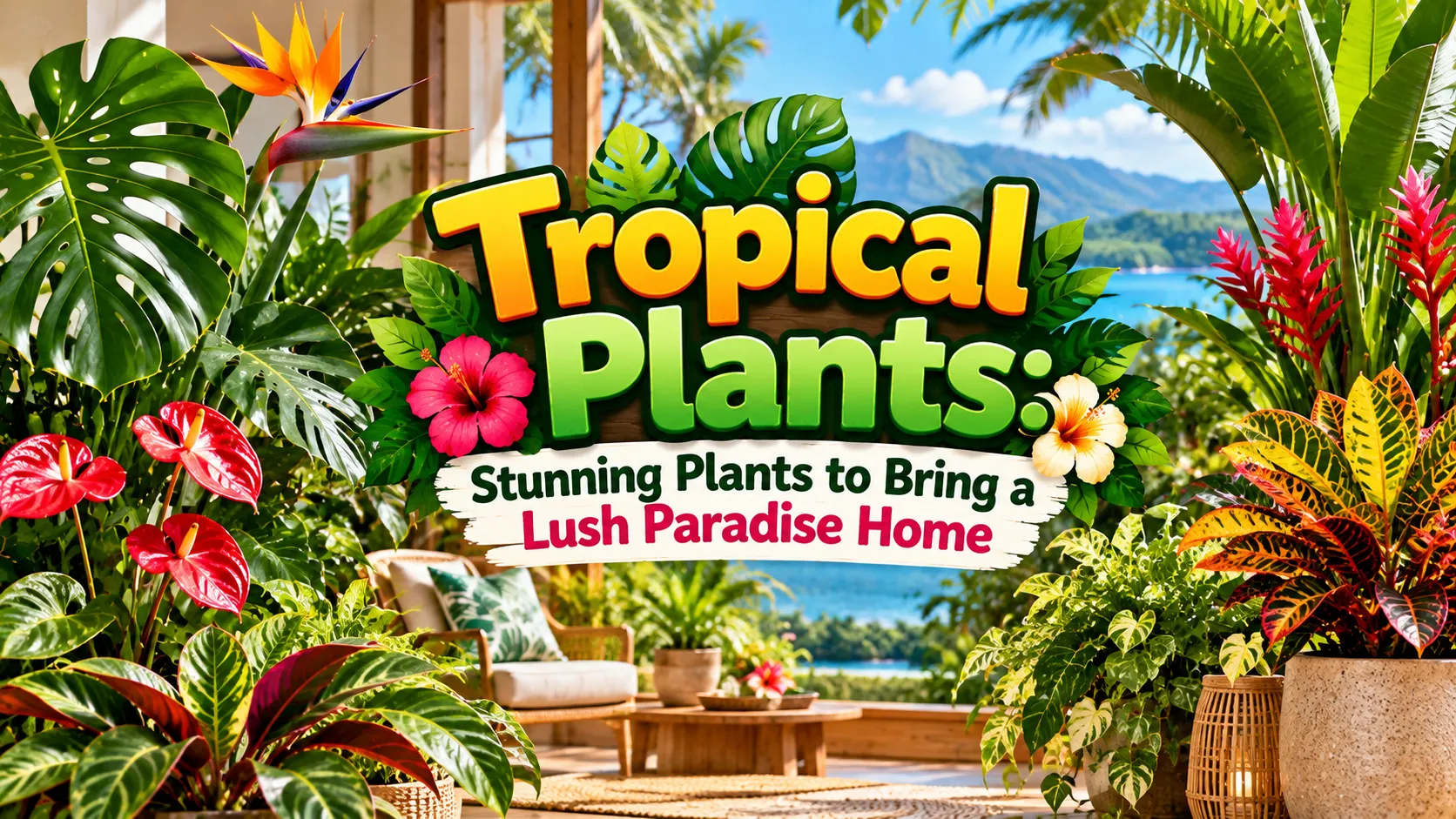
Tropical plants bring the beauty of rainforests, warm climates, and rare gardens into everyday life. With their bold leaves, colorful flowers, and fascinating shapes, these plants can transform ordinary indoor spaces and outdoor gardens into vibrant green retreats. From giant-leafed varieties to flowering tropical favorites, there is a plant for almost every style and growing space.
Whether you want tropical houseplants for your living room, colorful flowers for your backyard, or lush greenery for a shaded patio, choosing the right varieties makes all the difference. Some tropical plants thrive in bright, indirect light, while others need direct sunshine, high humidity, and consistently warm temperatures.
In this guide, you will discover more than 50 tropical plants, learn how to grow them successfully, and explore the best options for indoor spaces, outdoor gardens, and small homes. You will also find practical care tips, common mistakes to avoid, and answers to frequently asked questions.
🌿 What Are Tropical Plants?
Tropical plants are species that naturally grow in tropical or subtropical regions, where temperatures are generally warm and growing seasons can be long. Many come from rainforests, tropical islands, and humid regions of Asia, Africa, Central America, and South America.
These plants often have large leaves, striking flowers, colorful foliage, or unusual growth patterns. However, not every tropical plant requires the same conditions. Some grow beneath forest canopies and prefer shade, while others thrive in open sunshine.
Many popular houseplants are tropical plants that have adapted well to indoor environments. Examples include pothos, monstera, philodendron, peace lily, and several varieties of dracaena.
Common characteristics of tropical plants
- Warm-temperature preferences: Many grow best in consistently warm conditions.
- Attractive foliage: Large, glossy, patterned, or deeply divided leaves are common.
- Humidity preferences: Some varieties prefer moist air, although others tolerate ordinary indoor humidity.
- Varied light requirements: Tropical species can range from shade-tolerant plants to full-sun lovers.
- Diverse appearances: Tropical plants include palms, vines, flowering shrubs, ferns, and succulents.
Understanding these differences helps you choose plants that match your environment rather than selecting them based on appearance alone.
🌴 Best Tropical Plants for a Lush Garden
Tropical gardens are known for their layered greenery, dramatic foliage, and colorful flowers. Combining plants of different heights and textures can create a beautiful landscape that feels like a private rainforest.
Some tropical plants are best suited to large outdoor gardens, while others work well in containers on balconies or patios. Your local climate is important because many tropical species cannot tolerate frost.
Here are some popular choices for creating a lush garden.
1. Bird of Paradise
Bird of Paradise is famous for its dramatic leaves and distinctive flowers that resemble a colorful bird. It creates a bold focal point in tropical landscapes and can also grow in large containers.
It generally prefers bright light, warmth, and well-draining soil. Give larger varieties enough space because they can develop substantial leaves and spread over time.
2. Elephant Ear
Elephant ear plants are admired for their enormous, heart-shaped leaves. Their dramatic foliage adds a rainforest appearance to garden beds, borders, and large containers.
Many varieties prefer rich soil and regular moisture. Some can grow in partial shade, while others tolerate more sunshine when their roots receive sufficient water.
3. Banana Plant
Banana plants produce broad leaves that instantly create a tropical atmosphere. Some varieties can grow quite tall, making them useful as background plants or natural privacy screens.
They generally prefer warm weather, fertile soil, plenty of sunlight, and consistent moisture. Strong winds can damage their large leaves, so sheltered locations may be beneficial.
4. Areca Palm
Areca palm has graceful, feathery fronds that bring softness and movement to a tropical garden. It can also be grown in a container in suitable climates.
Provide bright light or filtered sunshine, depending on your conditions, along with well-draining soil. Protect it from cold temperatures.
5. Heliconia
Heliconia is known for its striking flower structures, which often feature vivid red, orange, or yellow colors. It is especially attractive in warm gardens with adequate moisture.
Some varieties grow tall and spread into substantial clumps. Choose a location that provides enough space for mature growth.
6. Ginger Lily
Ginger lilies produce attractive foliage and fragrant flowers in many varieties. They can bring color and a lush appearance to garden beds, particularly in warm, humid conditions.
Many prefer moist, fertile soil and partial shade or filtered sunlight. Growing requirements vary between species.
7. Croton
Croton stands out because of its colorful leaves, which may feature green, yellow, red, orange, and purple shades. It adds year-round foliage interest in warm climates.
Crotons generally prefer bright light and warm conditions. Cold temperatures and sudden environmental changes can damage their leaves.
8. Cordyline
Cordyline varieties are valued for their upright growth and colorful foliage. Depending on the cultivar, leaves may be green, burgundy, pink, or striped.
They can work well in garden borders and large pots. Choose a variety suited to your climate and provide appropriate light and drainage.
🪴 Best Tropical Houseplants for Indoor Spaces
Tropical houseplants are an excellent choice for people who want greenery without maintaining a large outdoor garden. Many varieties grow well in living rooms, bedrooms, offices, and other indoor spaces when their light and watering needs are met.
Before buying a tropical houseplant, consider the amount of natural light available in your home. A plant that thrives near a sunny window may struggle in a dim hallway.
These popular choices offer different leaf shapes, sizes, and care requirements.
9. Monstera Deliciosa
Monstera deliciosa is famous for its large green leaves with natural splits and holes. Its bold appearance makes it a favorite for modern interiors and plant collections.
It generally grows well in bright, indirect light and a well-draining potting mix. Allow the upper portion of the soil to dry somewhat between waterings.
10. Golden Pothos
Golden pothos is a trailing tropical vine with green leaves marked by yellow or cream patterns. It works beautifully in hanging baskets, on shelves, or climbing a support.
It tolerates a range of indoor light conditions, although brighter indirect light generally helps maintain its variegation. Avoid keeping its roots constantly wet.
11. Heartleaf Philodendron
Heartleaf philodendron produces attractive heart-shaped leaves on long, trailing stems. It is popular among beginners because it adapts to many indoor environments.
Provide indirect light and water when the soil begins to dry. Trim long stems if you want a fuller appearance.
12. Peace Lily
Peace lily has glossy leaves and elegant white flower-like structures called spathes. It can add a graceful touch to indoor spaces with moderate or bright indirect light.
Keep the soil lightly moist without allowing water to accumulate around the roots. Peace lilies are toxic if chewed by pets, so place them out of reach.
13. Rubber Plant
Rubber plants have thick, glossy leaves and an upright growth habit. Depending on the variety, their foliage may be dark green, burgundy, or variegated.
They generally prefer bright, indirect light and well-draining soil. Rotate the pot occasionally to encourage balanced growth toward the light.
14. Chinese Evergreen
Chinese evergreen varieties offer attractive patterned foliage in shades of green, silver, cream, and pink. Many tolerate lower indoor light better than sun-loving tropical species.
Allow the soil to dry somewhat between waterings and protect the plant from cold drafts. These plants are toxic if ingested.
15. Dracaena
Dracaena varieties feature upright stems and long, pointed leaves. Some have green foliage, while others display yellow or cream stripes.
They can suit homes and offices because many varieties tolerate ordinary indoor conditions. Use well-draining soil and avoid excessive watering.
16. Anthurium
Anthuriums are admired for their glossy leaves and colorful, heart-shaped flower structures. Red, pink, and white varieties are especially popular.
They generally prefer bright, indirect light, warmth, and a loose growing medium. Keep them away from cold drafts and avoid waterlogged soil.
17. Prayer Plant
Prayer plants have beautifully patterned leaves that may fold upward at night. Their decorative foliage makes them attractive additions to shelves and plant displays.
They often prefer indirect light, warm conditions, and evenly moist but well-drained soil. Avoid letting the roots sit in standing water.
18. Bird’s Nest Fern
Bird’s nest fern produces broad, rippled leaves that grow from a central rosette. Its lush appearance makes it an attractive option for bathrooms or other humid areas with suitable lighting.
It usually prefers indirect light, warmth, and regular moisture. Water around the soil rather than repeatedly filling the central crown.
19. Bromeliad
Bromeliads are tropical plants known for their colorful leaf rosettes and striking central flower structures. They can add a bright accent to indoor plant collections.
Their requirements vary by species, but many prefer bright, indirect light and good air circulation. Follow the care instructions for your particular variety.
20. Hoya
Hoya plants are tropical or subtropical vines with thick leaves and clusters of star-shaped flowers. Some varieties are grown mainly for their foliage, while others are prized for fragrant blooms.
They generally prefer bright, indirect light and a well-draining growing medium. Allow the soil to dry partially between waterings.
🌺 Flowering Tropical Plants for Colorful Gardens
Tropical flowering plants can brighten gardens with vivid colors, unusual blooms, and long flowering seasons in suitable climates. Many prefer warmth and sunshine, although some perform better with filtered light.
When selecting flowering varieties, consider their mature size, sunlight requirements, and seasonal behavior. A flowering shrub may need more space than a compact plant grown in a pot.
21. Hibiscus
Hibiscus produces large, colorful flowers in shades of red, pink, orange, yellow, and white. Tropical hibiscus is especially popular in warm gardens and decorative containers.
It generally prefers plenty of sunlight, regular watering, and fertile soil with good drainage. Cold weather can damage tropical varieties.
22. Bougainvillea
Bougainvillea is a climbing or spreading plant known for its vivid papery bracts, which surround its small flowers. It is often used on fences, walls, pergolas, and sunny patios.
It thrives in warm conditions and usually flowers best with abundant sunlight. Avoid keeping its roots constantly wet.
23. Plumeria
Plumeria, also called frangipani, produces fragrant flowers associated with tropical landscapes. Its blossoms may be white, yellow, pink, or multicolored.
It generally prefers warm weather, sunshine, and well-draining soil. In cooler regions, it may need protection or seasonal indoor storage.
24. Ixora
Ixora is a flowering shrub that produces dense clusters of small blooms, often in red, orange, pink, or yellow.
It can be an attractive choice for warm garden borders and hedges. Provide suitable sunlight, moisture, and soil conditions for the particular variety.
25. Mandevilla
Mandevilla is a tropical flowering vine with trumpet-shaped blooms. It can climb a trellis or decorate a patio container during warm weather.
It generally prefers bright light, warm temperatures, and regular watering with good drainage. Protect it from frost.
26. Torch Ginger
Torch ginger produces dramatic flower structures on strong stems and is often grown in tropical landscapes for its architectural appearance.
It generally needs warmth, moisture, and space to develop. Mature plants can become large, so plan the planting location carefully.
27. Jasmine
Some jasmine species are tropical or subtropical vines known for fragrant flowers. They can be trained over trellises or grown in containers.
Light and temperature needs vary by species. Choose a variety that matches your local climate and intended growing location.
28. Orchid
Tropical orchids are prized for their unusual flower shapes and long-lasting blooms. Many popular indoor varieties, including moth orchids, grow as epiphytes rather than in ordinary garden soil.
Use an appropriate orchid mix, provide suitable indirect light, and avoid leaving roots constantly waterlogged. Different orchid species have different humidity and temperature requirements.
🌳 Tropical Trees and Large Plants
Large tropical plants provide height, shade, and a sense of scale. They can make a garden feel more established and create natural layers when combined with smaller foliage plants.
However, many tropical trees need considerable space and may not be suitable for small yards. Check the mature height, root behavior, and local growing conditions before planting.
29. Royal Palm
Royal palm is a tall palm with a smooth trunk and a graceful crown of long fronds. It is commonly associated with tropical landscapes and spacious gardens.
It needs a suitable warm climate and enough room to develop. so It is not a practical choice for most indoor spaces.
30. Coconut Palm
Coconut palms are iconic tropical trees associated with coastal landscapes. They need warmth, sunlight, and appropriate conditions for healthy long-term growth.
They are unsuitable for cold climates and usually require substantial outdoor space. Container-grown seedlings may be possible, but long-term indoor cultivation can be difficult.
31. Traveler’s Palm
Traveler’s palm has enormous, fan-arranged leaves that create a dramatic tropical display. Despite its name, it is not a true palm.
It needs space, warmth, and suitable growing conditions. Its large mature size makes it better suited to spacious landscapes than small indoor rooms.
32. Papaya
Papaya is a tropical fruit-producing plant with a tall, relatively slender stem and large divided leaves.
It grows best in warm conditions, sunlight, and well-drained soil. Cold temperatures and poor drainage can damage it, and fruit production depends on the plant’s variety and growing conditions.
33. Guava
Guava is a tropical or subtropical fruit tree grown for its edible fruit and attractive foliage. Depending on the variety, it can be grown in a garden or a suitably sized container.
It generally prefers sunshine, warmth, and good drainage. Local climate and variety determine how successfully it produces fruit.
34. Jackfruit Tree
Jackfruit is a tropical tree known for producing large edible fruits. Its broad canopy can provide a lush appearance in suitable climates.
It requires warmth, room to grow, and appropriate soil conditions. Because of its eventual size, it is generally better suited to large outdoor spaces.
35. Frangipani Tree
Frangipani, another name for plumeria, is a small tropical tree or shrub valued for its fragrant flowers and sculptural branches.
It works well as a focal point in warm gardens and large containers. Provide plenty of sunlight and avoid overly wet soil.
🌱 Tropical Plants for Small Spaces and Apartments
You do not need a large garden to enjoy tropical greenery. Compact varieties and trailing plants can bring a tropical look to apartments, balconies, desks, and shelves.
The secret is matching the plant’s mature size with your available space. You should also consider how much sunlight enters the room and whether you can provide the humidity required by more demanding species.
36. Mini Monstera
Mini monstera, commonly associated with Rhaphidophora tetrasperma, has divided leaves and a climbing growth habit. It resembles a smaller version of Monstera deliciosa, although it is a different plant.
It prefers bright, indirect light and a support to climb. Regular pruning can help keep it manageable indoors.
37. Scindapsus Pictus
Scindapsus pictus has heart-shaped leaves decorated with silver markings. Its trailing stems make it attractive for hanging baskets and shelves.
It generally prefers indirect light and soil that dries somewhat between waterings. Avoid placing it in harsh direct sunshine for long periods.
38. Peperomia
Many peperomia species have compact growth and decorative leaves. Some varieties feature thick, rounded foliage, while others have rippled or patterned leaves.
They can be useful choices for desks and small shelves. Most prefer indirect light and well-draining soil, but watering needs vary by species.
39. Dwarf Snake Plant
Compact snake plant varieties offer upright leaves without taking up much floor space. They are suitable for people who prefer plants with relatively simple care requirements.
Provide appropriate light and allow the soil to dry between waterings. Avoid overwatering, particularly in cooler conditions.
40. Compact Palm
Smaller palms, such as parlor palm, can provide a tropical appearance in apartments and offices. Their delicate fronds soften a room without overwhelming the available space.
They generally prefer indirect light and moderate watering. Check the mature size of your chosen variety before purchasing it.
41. String of Hearts
String of hearts is a trailing plant with delicate stems and small, heart-shaped leaves. Its appearance makes it popular for hanging planters.
It prefers bright, indirect light and a well-draining growing medium. Because it stores some moisture in its leaves and stems, frequent watering is usually unnecessary.
☀️ How to Care for Tropical Plants
Tropical plants can grow beautifully when their basic needs are met. Although individual species have different requirements, light, watering, temperature, humidity, and soil drainage are important factors for most varieties.
The best care routine is based on the plant itself rather than a fixed schedule. Two tropical plants in the same room may need very different amounts of water.
Light requirements
Many tropical houseplants naturally grow beneath larger trees, where they receive filtered sunlight. These plants often prefer bright, indirect light indoors.
Flowering plants and outdoor tropical varieties may need more direct sunshine. If a plant becomes leggy, loses its normal leaf color, or stops growing, check whether its light conditions are suitable.
Avoid moving shade-adapted plants into intense direct sunshine without gradually adjusting them.
Watering correctly
Overwatering is a common cause of problems with tropical houseplants. Soil that stays wet for too long can deprive roots of oxygen and encourage root rot.
Check the soil before watering. Some plants prefer evenly moist soil, while others need the upper portion to dry between waterings.
Use pots with drainage holes, and empty standing water from saucers when necessary.
Temperature and humidity
Many tropical plants prefer warm conditions and can suffer when exposed to cold drafts or sudden temperature changes. Keep sensitive varieties away from chilly windows and air-conditioning vents.
Humidity requirements vary. Ferns and some other rainforest plants may appreciate higher humidity, while certain tropical vines tolerate ordinary indoor conditions.
If you use a humidifier, keep it clean and provide adequate air circulation to reduce the risk of fungal problems.
Soil and fertilization
Most tropical container plants need a growing medium suited to their roots. A general houseplant mix may work for some varieties, while orchids, aroids, and succulents often need more specialized mixtures.
During active growth, many plants benefit from a balanced fertilizer used according to its label. Reduce or stop feeding when growth slows, depending on the species and season.
Avoid excessive fertilizer because it can damage roots and cause salt buildup in the soil.
🐛 Common Problems When Growing Tropical Plants
Even well-cared-for plants can develop problems. The key is to identify the cause early and make changes gradually.
Yellow leaves: These can result from overwatering, underwatering, poor light, nutrient problems, or natural aging. Check the soil and overall growing conditions before changing your care routine.
Brown leaf tips: Dry air, inconsistent watering, fertilizer buildup, and water quality may contribute. Review the plant’s needs and avoid making several major changes at once.
Drooping foliage: A drooping plant may need water, but it can also suffer from waterlogged roots or temperature stress. Check the soil before watering again.
Pests: Spider mites, mealybugs, scale insects, and fungus gnats can affect indoor plants. Inspect leaves regularly and isolate affected plants when necessary.
Slow growth: Insufficient light, seasonal changes, crowded roots, and nutrient limitations may all contribute. Identify the likely cause rather than immediately applying more fertilizer.
Healthy plants generally benefit from clean leaves, suitable drainage, regular inspection, and care that matches their individual needs.
🐈 Are Tropical Plants Safe for Pets?
Not all tropical plants are safe for cats and dogs. Several popular houseplants, including monstera, pothos, philodendron, peace lily, and Chinese evergreen, can cause irritation or other symptoms if chewed or swallowed.
If you share your home with pets, research the exact species before bringing it indoors. Common names can refer to different plants, so confirm the botanical name whenever possible.
Choose verified pet-safe varieties when practical, and remember that keeping a toxic plant on a high shelf does not always prevent access. Some pets can climb or reach hanging foliage.
If an animal eats a potentially toxic plant, contact a veterinarian or an appropriate animal poison service for advice. Do not wait for symptoms to appear if the plant is known to be dangerous.
❓ Frequently Asked Questions About Tropical Plants
What are the easiest tropical plants to grow?
Golden pothos, heartleaf philodendron, snake plant, and many dracaena varieties are popular choices for beginners. Their exact needs differ, but they generally adapt to ordinary indoor conditions better than many delicate tropical species.
Which tropical plants are best for indoors?
Monstera, pothos, peace lily, rubber plant, Chinese evergreen, and heartleaf philodendron are widely grown indoors. Choose a variety that matches your available light and space.
Do tropical plants need direct sunlight?
No. Some tropical plants thrive in direct sunshine, while many rainforest species prefer bright, indirect light. Check the requirements of your particular plant before choosing a location.
How often should tropical plants be watered?
There is no single watering schedule for every tropical plant. Check the soil and consider the plant species, pot size, temperature, and season before watering.
Can tropical plants survive winter?
Some tropical plants can survive indoors through winter if they receive appropriate light and warmth. Outdoor survival depends on the species and local climate. Frost-sensitive varieties may require protection or indoor storage.
Which tropical plants grow large leaves?
Elephant ear, bird of paradise, banana plant, traveler’s palm, and some philodendrons are known for their dramatic foliage. Their mature sizes vary considerably.
Can tropical plants grow in pots?
Yes. Many tropical plants grow well in containers, including monstera, hibiscus, croton, palms, and certain fruit trees. Choose a pot with suitable drainage and enough room for the roots.
Are tropical plants suitable for beginners?
Many are. Start with adaptable varieties and learn their watering and lighting needs before investing in more demanding species.
Do tropical plants need high humidity?
Some rainforest plants benefit from higher humidity, but others tolerate normal indoor air. Research the requirements of your chosen species instead of assuming all tropical plants need the same conditions.
How can I make my tropical plants grow faster?
Provide appropriate light, correct watering, suitable soil, and balanced fertilizer during active growth. Avoid overwatering or overfertilizing in an attempt to force faster growth.
🌴 Final Thoughts on Tropical Plants
Tropical plants offer an incredible variety of shapes, textures, colors, and flowers. From dramatic elephant ear leaves to elegant orchids and easy-care pothos, there are options for nearly every home and garden.
The best results come from choosing plants that suit your climate, lighting, available space, and experience level. Start with a few suitable varieties, learn their needs, and gradually expand your collection.
With proper care, tropical plants can turn a simple room, balcony, patio, or garden into a beautiful green retreat.

Ethan Carter is a nature enthusiast and content writer with a passion for flowers and botanical knowledge. He is the author behind FlowerNamez, where he shares simple and informative content about flower names, types, and meanings.
With a focus on clarity and accuracy, Ethan aims to help readers explore the beauty of flowers and understand their significance in everyday life.