
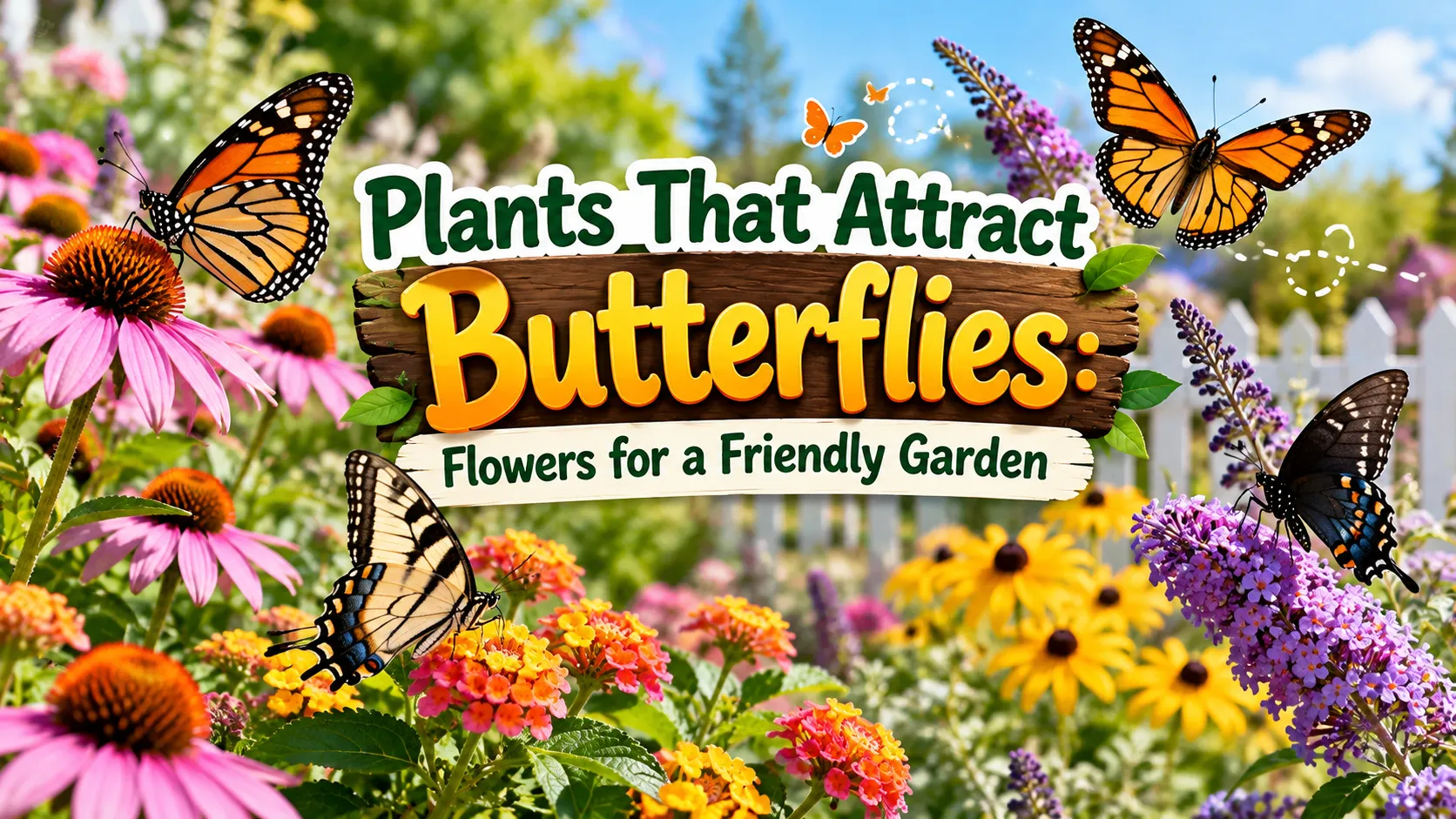
Have you ever watched butterflies flutter across a garden and wondered which flowers bring them back? The secret is choosing the right plants. Plants that attract butterflies provide nectar for adult butterflies, while certain host plants give caterpillars the food they need to grow.
Whether you have a spacious backyard, a small flower bed, or a sunny balcony, you can create a garden that welcomes these beautiful pollinators. Many butterfly-friendly plants are easy to grow, produce colorful flowers, and attract other beneficial insects, too.
The best butterfly gardens offer something throughout the growing season. Some plants bloom in spring, others provide summer nectar, and late-season flowers help butterflies find food as autumn approaches. Including host plants also supports the complete butterfly life cycle.
In this guide, you’ll discover the best flowers, herbs, shrubs, and native plants for attracting butterflies. You’ll also learn how to choose plants for your climate, keep your garden blooming, and create a welcoming habitat without relying on harmful pesticides.
🦋 1. Butterfly Bush: A Nectar-Rich Favorite
Butterfly bush is a popular flowering shrub known for its long clusters of fragrant flowers. Depending on the variety, its blooms may appear in purple, pink, white, or blue-purple shades. These flowers can attract many nectar-feeding butterflies during the warmer months.
This shrub grows best in a sunny location with well-drained soil. Once established, it can tolerate some dry weather, although watering during extended hot periods helps maintain healthy growth and flowering.
Before planting butterfly bush, check whether it is invasive in your region. Some varieties spread aggressively outside cultivated gardens. Where necessary, choose a suitable sterile cultivar or replace it with a locally recommended native flowering shrub.
- Sunlight: Full sun.
- Blooming season: Usually summer through fall.
- Best location: Sunny borders and open garden spaces.
- Main benefit: Provides nectar for adult butterflies.
🌼 2. Coneflowers: Beautiful Perennials for Butterfly Gardens
Coneflowers are excellent choices for gardeners who want colorful, long-lasting flowers. Their raised central cones and daisy-like petals create convenient landing places for butterflies searching for nectar.
Purple coneflower is a familiar favorite, but other varieties offer pink, white, orange, and yellow blooms. These hardy perennials generally prefer sunny locations and well-drained soil. Once established, many varieties tolerate periods of dry weather.
Coneflowers also support other wildlife. Their mature seed heads can provide food for birds, and leaving some stems standing through winter may offer shelter for beneficial insects.
- Sunlight: Full sun.
- Blooming season: Summer into early fall.
- Best location: Perennial borders and sunny flower beds.
- Main benefit: Attractive flowers with useful seed heads.
🌺 3. Milkweed: Essential for Monarch Butterflies
Milkweed is one of the most important plants for monarch butterflies in North America. Monarch caterpillars depend on milkweed leaves for food, while the flowers provide nectar for adult butterflies and other pollinators.
Different milkweed species suit different growing conditions. Butterfly weed produces bright orange flowers and prefers sunny, well-drained soil. Swamp milkweed is better suited to areas with consistently moist soil.
Choose species native to your region whenever possible. In some areas, tropical milkweed can interfere with monarch conservation efforts, so local recommendations matter. Avoid pesticides on milkweed because they can harm caterpillars and other beneficial insects.
- Sunlight: Usually full sun.
- Blooming season: Commonly summer.
- Best location: Native plant gardens and pollinator beds.
- Main benefit: Supports monarch caterpillars and adult butterflies.
🌻 4. Zinnias: Colorful Annuals That Attract Butterflies
Zinnias are among the easiest flowers to grow for a colorful butterfly garden. Their bright blooms come in red, orange, yellow, pink, purple, and white, making them excellent choices for summer flower beds.
For the greatest pollinator value, choose single-flowered varieties with open centers. Some double-flowered varieties have densely packed petals that make nectar and pollen less accessible.
Zinnias grow well in warm weather and sunny locations. Sow seeds after the danger of frost has passed, water the soil consistently while plants establish, and provide enough spacing for good air circulation.
Planting several zinnias together creates a noticeable patch of color that butterflies can easily find.
- Sunlight: Full sun.
- Blooming season: Summer until frost in suitable climates.
- Best location: Flower beds, raised beds, and containers.
- Main benefit: Produces abundant, colorful flowers.
💜 5. Lavender: Fragrant Flowers for Pollinators
Lavender adds fragrance, texture, and beautiful purple flower spikes to a butterfly-friendly garden. Its flowers can attract butterflies and bees when they are in bloom.
This plant performs best in full sun and well-drained soil. It generally prefers conditions that are not overly wet, so heavy clay soil may need improvement or a raised planting area.
Lavender works beautifully along pathways, around patios, and in Mediterranean-style gardens. You can combine it with other drought-tolerant plants to create an attractive border that requires relatively little maintenance once established.
Different lavender species bloom at different times, so selecting varieties suited to your climate can help extend the flowering season.
- Sunlight: Full sun.
- Blooming season: Usually late spring and summer.
- Best location: Sunny borders and containers with good drainage.
- Main benefit: Fragrant flowers that provide nectar.
🌸 6. Lantana: Long-Lasting Flowers for Warm Climates
Lantana produces rounded clusters of small flowers in combinations of yellow, orange, pink, red, and purple. In warm climates, its extended flowering period can make it a useful source of nectar for butterflies.
The plant tolerates heat and usually grows best in full sun. It can be grown as a perennial shrub in frost-free regions or as an annual in colder climates.
However, lantana can become invasive in some tropical and subtropical regions. Some parts of the plant, particularly its unripe berries, can also be toxic if eaten. Check local growing recommendations before planting it around children or pets.
- Sunlight: Full sun.
- Blooming season: Often spring through fall in warm regions.
- Best location: Sunny borders and suitable containers.
- Main benefit: Colorful flowers over a long season.
🌿 7. Verbena: Small Flowers With Big Appeal
Verbena includes several species that can attract butterflies with their clusters of small flowers. Tall purpletop vervain produces delicate purple blooms on slender stems, while other varieties spread across the ground as colorful flowering plants.
The flowers provide feeding opportunities for butterflies, and taller varieties add height without creating a dense wall of foliage. This makes verbena a useful addition to mixed flower beds.
Most butterfly-friendly verbenas prefer sunshine and well-drained soil. Some varieties readily self-seed, so remove unwanted seed heads if you want to control their spread.
Combine verbena with coneflowers, coreopsis, and other nectar-rich plants for a garden with varied heights and colors.
- Sunlight: Full sun.
- Blooming season: Often summer through fall.
- Best location: Mixed borders and pollinator gardens.
- Main benefit: Numerous small flowers for nectar-feeding insects.
🌷 8. Phlox: Fragrant Flowers for Summer Butterflies
Garden phlox produces clusters of fragrant flowers in pink, purple, white, and other shades. These colorful blooms can attract butterflies during the summer months.
Phlox generally prefers fertile soil that retains some moisture without becoming waterlogged. Good air circulation can help reduce powdery mildew, a common problem for some varieties.
For a beautiful flower border, plant phlox alongside coneflowers, black-eyed Susans, and other perennials. This combination provides a variety of flower shapes and colors while creating more opportunities for pollinators to find food.
Choose varieties suited to your region, especially if your garden experiences very hot summers or humid weather.
- Sunlight: Full sun to partial shade, depending on the variety.
- Blooming season: Commonly summer.
- Best location: Cottage gardens and perennial borders.
- Main benefit: Fragrant flowers and attractive clusters of blooms.
🌞 9. Black-Eyed Susans: Golden Flowers for Sunny Gardens
Black-eyed Susans are cheerful flowers with golden-yellow petals and dark central disks. They are easy to recognize and can attract butterflies and other pollinators to sunny gardens.
Many varieties tolerate a range of soil conditions as long as drainage is reasonable. They generally perform best in full sun and produce flowers through summer and into early fall.
After flowering, the seed heads may provide food for birds. Leaving some stems in place can also add winter interest to your garden.
Plant black-eyed Susans in groups among native grasses and other flowering perennials. Their golden petals look especially striking beside purple verbena and pink coneflowers.
- Sunlight: Full sun.
- Blooming season: Summer into fall.
- Best location: Sunny borders and naturalistic gardens.
- Main benefit: Flowers for pollinators and seed heads for birds.
🌺 10. Salvia: Flower Spikes Rich in Nectar
Salvia includes many flowering plants that attract butterflies and bees. Its tubular flowers grow along upright spikes and come in purple, blue, pink, red, and white.
Some salvias thrive in dry conditions, while others prefer more consistent moisture. Most butterfly-friendly garden varieties grow well in sunny locations and benefit from soil with good drainage.
Removing spent flower spikes may encourage additional flowering in some varieties. Growing several types of salvia can also help extend the period when your garden provides nectar.
Choose varieties according to your local climate rather than assuming every salvia has the same growing requirements.
- Sunlight: Usually full sun.
- Blooming season: Varies by species, often spring through fall.
- Best location: Borders, containers, and mixed flower beds.
- Main benefit: Tubular flowers that attract pollinators.
🌼 11. Marigolds: Easy Flowers for Beginners
Marigolds are popular annuals because they are affordable, colorful, and relatively easy to grow. Their orange and yellow flowers brighten vegetable gardens, containers, and flower borders.
Some marigold varieties can attract butterflies, especially when their flowers have open centers that make nectar accessible. For a pollinator garden, prioritize open-flowered varieties rather than choosing only for dense, decorative blooms.
Marigolds usually prefer sunny locations and well-drained soil. Regularly remove faded flowers if you want to encourage continued blooming.
They also work well as edging plants around larger flowers, helping you add color to the front of a butterfly garden.
- Sunlight: Full sun.
- Blooming season: Warm months until frost in suitable climates.
- Best location: Containers, vegetable beds, and flower borders.
- Main benefit: Bright blooms that are easy to grow.
🌻 12. Asters: Late-Season Nectar for Butterflies
Asters are especially valuable when summer flowers begin to fade. Many native aster species bloom in late summer or fall, offering nectar when butterflies and other pollinators may have fewer flowers available.
Their small, daisy-like flowers usually appear in purple, pink, or white. Native asters in North America can be particularly useful for local pollinators, including migrating monarchs in suitable regions.
Most asters prefer sunlight and reasonably well-drained soil, although exact needs vary by species. Plant them alongside spring and summer flowers to create a more continuous supply of nectar.
- Sunlight: Full sun to partial shade, depending on species.
- Blooming season: Often late summer and fall.
- Best location: Native plant gardens and perennial borders.
- Main benefit: Nectar during the later part of the growing season.
🌺 13. Pentas: Star-Shaped Flowers for Tropical Gardens
Pentas produces clusters of small, star-shaped flowers in shades of pink, red, purple, and white. In warm regions, these blooms can attract butterflies for an extended period.
The plant prefers warmth, sunshine, and well-drained soil. It works well in containers, tropical flower beds, and mixed borders where its bright flowers can stand out.
Pentas is sensitive to frost, so gardeners in colder climates may need to grow it as a seasonal annual or protect it during chilly weather.
For the best results, remove faded flowers when needed and water consistently while avoiding waterlogged soil.
- Sunlight: Full sun to partial shade.
- Blooming season: Often spring through fall in warm climates.
- Best location: Tropical gardens and patio containers.
- Main benefit: Long-lasting flower clusters for pollinators.
🌿 14. Dill: A Useful Herb for Swallowtail Butterflies
Dill is a useful kitchen herb that can also support butterfly life cycles. Its small yellow flowers attract pollinators, while its foliage serves as a host plant for certain swallowtail caterpillars, including the eastern black swallowtail in North America.
Grow dill in a sunny location with reasonably fertile, well-drained soil. It is usually easy to start from seed, and its delicate foliage adds texture to herb and vegetable gardens.
If caterpillars appear on your dill, consider leaving some plants specifically for them. Growing extra dill allows you to harvest the herb while still providing food for developing butterflies.
- Sunlight: Full sun.
- Blooming season: Usually summer.
- Best location: Herb gardens and vegetable plots.
- Main benefit: Provides flowers for pollinators and leaves for certain caterpillars.
🌱 15. Fennel: Feathery Foliage for Caterpillar Habitat
Fennel has delicate, feathery leaves and umbrella-shaped clusters of yellow flowers. The flowers attract pollinators, while the foliage can serve as food for caterpillars of certain swallowtail butterflies.
Plant fennel in full sun with well-drained soil. It can grow tall and may spread through self-seeding, so allow enough room and remove unwanted seed heads if necessary.
Fennel is invasive in some regions, so check local guidance before introducing it to your garden. As with dill, avoid pesticide use on plants intended to support caterpillars.
- Sunlight: Full sun.
- Blooming season: Generally summer.
- Best location: Herb gardens and designated habitat areas.
- Main benefit: Flowers for pollinators and foliage for some caterpillars.
🌸 16. Cosmos: Airy Flowers for a Natural Garden
Cosmos produces delicate, daisy-like flowers in pink, white, magenta, and other shades. Their open centers can provide accessible nectar for butterflies and other pollinators.
These annual flowers are easy to grow from seed and generally prefer full sun and well-drained soil. They often perform well in relatively poor soil, while excessive fertilizer may encourage leafy growth at the expense of flowers.
Cosmos is ideal for informal flower beds and meadow-inspired gardens. Its tall, airy stems look beautiful behind shorter annuals and perennials.
- Sunlight: Full sun.
- Blooming season: Summer through fall in suitable climates.
- Best location: Informal borders and sunny garden beds.
- Main benefit: Open flowers and an extended flowering period.
🌼 17. Coreopsis: Bright Blooms for Pollinator Borders
Coreopsis, often called tickseed, produces daisy-like flowers in yellow, pink, or red combinations, depending on the variety. Many species are easy to grow and provide nectar for butterflies.
Most coreopsis varieties prefer full sun and well-drained soil. Some tolerate dry conditions once established, making them useful for low-maintenance gardens.
Plant coreopsis in groups alongside coneflowers, native grasses, and asters. The combination offers different flower shapes and flowering periods, making the garden more attractive to a range of pollinators.
- Sunlight: Full sun.
- Blooming season: Often late spring through summer, depending on species.
- Best location: Sunny borders and pollinator beds.
- Main benefit: Abundant flowers with relatively simple care requirements.
🌷 18. Native Flowering Shrubs: Long-Term Butterfly Habitat
Native flowering shrubs can offer nectar, shelter, and structure throughout a butterfly garden. Suitable choices depend on your location and may include buttonbush, native dogwoods, or other locally recommended flowering shrubs.
Native plants are particularly valuable when they support the caterpillars of local butterfly species. They are also more likely to suit regional soil, rainfall, and temperature conditions than plants selected without regard to climate.
Choose shrubs according to their mature size, sunlight requirements, and soil preferences. A local native-plant nursery or extension service can help you identify species that benefit butterflies in your area.
- Sunlight: Depends on the shrub species.
- Blooming season: Spring through summer for many varieties.
- Best location: Hedges, garden borders, and wildlife-friendly landscapes.
- Main benefit: Long-term habitat, shelter, and seasonal flowers.
🌻 19. Sweet Alyssum: Low-Growing Flowers for Garden Edges
Sweet alyssum produces small clusters of fragrant white, pink, or purple flowers. It is often grown along pathways, around containers, and at the front of flower beds.
Its small flowers can attract beneficial insects, although the species of butterflies visiting it will depend on your local environment and available nectar plants.
Sweet alyssum usually grows well in sunny to partly shaded locations with soil that drains reasonably well. In mild climates, it may flower for an extended period, particularly when faded blooms are trimmed back.
Use it to fill gaps between larger butterfly-friendly plants and create a layered garden with flowers at several heights.
- Sunlight: Full sun to partial shade.
- Blooming season: Often spring and fall, with timing depending on climate.
- Best location: Edging, containers, and gaps between larger plants.
- Main benefit: Low-growing flowers and fragrance.
🌺 20. Pentas, Verbena, and Zinnias: A Colorful Flower Combination
Combining different flowering plants can make a garden more attractive to butterflies than relying on a single variety. Pentas, verbena, and open-flowered zinnias offer different flower shapes and growth habits, creating several feeding opportunities within one space.
Choose varieties that match your climate and available sunlight. Pentas is particularly suited to warm conditions, while zinnias perform well during warm growing seasons and many verbenas are suitable for sunny borders.
Group plants in small clusters rather than scattering single specimens across the garden. This creates more visible patches of color and makes it easier to maintain the garden.
- Sunlight: Generally sunny conditions.
- Blooming season: Depends on the varieties and local climate.
- Best location: Mixed flower beds and sunny containers.
- Main benefit: Variety of colors, shapes, and flowering periods.
🌿 21. Parsley: A Host Plant for Certain Butterfly Caterpillars
Parsley is a useful culinary herb that also supports the life cycle of some swallowtail butterflies. In North America, eastern black swallowtail caterpillars may feed on parsley leaves, as well as dill, fennel, and related plants.
Grow parsley in fertile soil with regular moisture. It can tolerate some light shade, especially in hot climates, and grows well in pots or garden beds.
If you notice caterpillars feeding on your parsley, consider leaving a few plants untouched. You can grow an extra pot for cooking while allowing another plant to serve as butterfly habitat.
- Sunlight: Full sun to partial shade.
- Blooming season: Flowers usually appear in the second year.
- Best location: Herb containers and vegetable gardens.
- Main benefit: Foliage for certain swallowtail caterpillars.
🌼 22. Goldenrod: An Important Late-Season Flower
Goldenrod produces bright yellow flower clusters and can provide valuable late-season nectar for butterflies and other pollinators. Native goldenrod species are particularly useful in many North American gardens.
Goldenrod is sometimes blamed for seasonal allergies, but its pollen is generally not the main cause of hay fever. Ragweed, which often blooms around the same time, is a much more common source of airborne allergenic pollen.
Choose a goldenrod species that suits your region and garden size. Some varieties spread vigorously, so compact or well-behaved cultivars may be more appropriate for smaller spaces.
- Sunlight: Usually full sun.
- Blooming season: Often late summer and fall.
- Best location: Native plant beds and naturalistic borders.
- Main benefit: Late-season nectar for pollinators.
🌸 23. Buttonbush: A Flowering Shrub for Moist Gardens
Buttonbush produces distinctive round flower heads that can attract butterflies and other pollinators. It is particularly suitable for moist sites and is native to parts of North America.
This shrub is a useful choice for rain gardens, pond edges, and areas where the soil stays consistently damp. Its unusual flowers add texture and interest to wildlife-friendly landscapes.
Before planting, consider the shrub’s mature size and moisture requirements. It may not be suitable for a small, dry garden without appropriate growing conditions.
- Sunlight: Full sun to partial shade.
- Blooming season: Usually summer.
- Best location: Moist borders and rain gardens.
- Main benefit: Nectar-rich flowers and habitat structure.
🌺 24. Bee Balm: Bright Flowers for Pollinator Gardens
Bee balm produces striking flowers in red, pink, purple, and other shades, depending on the species. Its tubular blooms attract bees, hummingbirds in North America, and some nectar-feeding butterflies.
Native bee balm species can be valuable additions to regional pollinator gardens. Many grow best in sunny to partly shaded locations with soil that retains some moisture.
Good air circulation helps reduce powdery mildew, which can affect some varieties. Choose plants suited to your climate and leave enough space between them.
- Sunlight: Full sun to partial shade.
- Blooming season: Usually summer.
- Best location: Perennial borders and native plant gardens.
- Main benefit: Bright flowers that attract multiple pollinator groups.
🌱 25. Native Grasses and Host Plants: Supporting the Complete Life Cycle
Flowers provide nectar for adult butterflies, but a butterfly-friendly garden should offer more than food for adults. Many butterfly caterpillars depend on particular host plants, and some species use native grasses or other specific plants during their development.
For example, certain North American skippers depend on grasses, while monarch caterpillars need milkweed. Other butterflies use native trees, shrubs, or herbs.
Research the butterfly species found in your region and select host plants accordingly. Native grasses can also provide shelter and structure, particularly when combined with flowering plants and undisturbed areas.
- Sunlight: Varies according to the plant species.
- Growing season: Depends on the chosen host plants.
- Best location: Naturalistic borders and habitat gardens.
- Main benefit: Supports caterpillars and a wider range of butterfly life stages.
🌷 Best Plants That Attract Butterflies by Season
A garden with flowers in several seasons gives butterflies more opportunities to find nectar. The exact flowering schedule depends on your climate, rainfall, and plant varieties, but the following guide offers a useful starting point.
| Season | Plants to Consider | Main Benefit |
|---|---|---|
| Spring | Sweet alyssum, early-blooming native flowers, suitable salvias | Early nectar sources |
| Summer | Zinnias, coneflowers, lantana, lavender, bee balm | Abundant flowers during warm weather |
| Late summer | Verbena, coreopsis, phlox, milkweed | Continued nectar and host plants |
| Fall | Asters, goldenrod, late-blooming salvias | Nectar when many flowers fade |
| Across multiple seasons | Regionally suitable native shrubs and host plants | Habitat and varied flowering times |
In warm climates, some plants may flower for much longer than they do in colder regions. Choose varieties based on local conditions rather than relying on a calendar alone.
🏡 How to Create a Butterfly-Friendly Garden
Creating a butterfly garden does not require a large yard or expensive landscaping. The most important steps are providing suitable flowers, choosing appropriate host plants, and creating a safe environment for butterflies.
Choose a Sunny Location
Many nectar-producing flowers grow best in full sun. If possible, select an area that receives several hours of direct sunlight each day. A sunny position helps many flowering plants produce more blooms.
Butterflies are cold-blooded and often use warm, sheltered spots to raise their body temperature. A sunny area protected from strong winds can make the garden more welcoming.
Plant Flowers in Groups
Rather than planting one flower of each type, create small groups or patches. Clusters of similar flowers can make nectar sources easier for butterflies to find.
Combine plants of different heights to create a layered appearance. Low-growing flowers can fill the front of a bed, while taller perennials and shrubs add structure behind them.
Include Host Plants
Nectar flowers support adult butterflies, but host plants support caterpillars. Research the butterfly species native to your region and identify the plants their larvae need.
Examples include milkweed for monarchs in North America and parsley, dill, and fennel for certain swallowtail caterpillars. Other butterflies depend on particular trees, shrubs, or grasses.
Provide Water and Shelter
Butterflies may drink from damp soil or shallow puddles. You can create a simple puddling area by placing damp sand or soil in a shallow dish and keeping it moist.
Avoid deep containers of standing water. A sheltered garden with shrubs, grasses, and a variety of plant heights can also offer protection from wind and places for butterflies to rest.
Avoid Harmful Pesticides
Many insecticides can harm butterflies, caterpillars, and other beneficial insects. Avoid spraying flowering plants with products that may expose visiting pollinators.
If you must manage a pest problem, identify the pest first and consider nonchemical methods. Remove affected leaves when appropriate, use physical barriers, and follow local gardening advice.
Keep Flowers Blooming
Select plants that flower at different times. Early-season flowers, summer blooms, and late-season nectar sources can provide a more consistent supply of food.
Deadheading some annuals may encourage additional flowers, but leave selected plants to produce seeds when this benefits wildlife. Allowing a small, undisturbed area can also provide shelter for insects.
🌿 Native Plants vs. Non-Native Flowers: Which Are Better?
Both native and non-native flowering plants can provide nectar, but native plants are often especially valuable for supporting local butterfly populations.
Native plants have evolved alongside regional insects and may serve as host plants for caterpillars that cannot use unfamiliar species. They also tend to be adapted to local rainfall, soil, and seasonal conditions.
Non-native flowers can still contribute nectar when their blooms are accessible and the plants are not invasive. However, a garden filled entirely with ornamental nectar flowers may offer little food for caterpillars.
For a balanced garden, prioritize native host plants and locally suitable nectar sources. Add non-invasive ornamental flowers where they complement the planting and extend the flowering season.
🪴 Best Plants That Attract Butterflies to Small Gardens
You do not need a large garden to attract butterflies. Containers, window boxes, and small sunny borders can provide useful nectar sources when planted thoughtfully.
Zinnias, compact salvias, suitable verbenas, lavender, and sweet alyssum are possible choices, depending on your climate and container size.
Choose pots with drainage holes and use a suitable potting mix. Larger containers generally hold moisture more evenly than very small pots, reducing the need for constant watering during hot weather.
Place containers in a sunny, sheltered area and group them together to create a noticeable patch of flowers. If space allows, include a suitable host plant as well as nectar-producing flowers.
Avoid using pesticide-treated plants where possible, and do not apply products that could expose butterflies or caterpillars to harmful chemicals.
❌ Common Mistakes to Avoid in a Butterfly Garden
Even a colorful garden may attract fewer butterflies than expected if it does not meet their needs. Avoid these common mistakes when planning your planting.
- Growing only one type of flower: A variety of plants can offer different nectar sources and flowering periods.
- Ignoring caterpillar host plants: Adult butterflies need nectar, but caterpillars also require suitable food plants.
- Choosing invasive species: Some attractive garden plants can spread aggressively and damage local habitats.
- Using pesticides carelessly: Insecticides can harm beneficial insects and developing caterpillars.
- Planting flowers in deep shade: Many nectar-producing flowers need sunlight to bloom well.
- Allowing the garden to dry out completely: Plants under severe water stress may produce fewer flowers.
- Removing every fallen leaf and stem: Some insects use undisturbed plant material for shelter.
- Expecting instant results: Butterfly visits depend on local species, weather, nearby habitat, and the availability of suitable plants.
A thoughtful mix of nectar plants, host plants, shelter, and pesticide-free gardening practices gives butterflies more reasons to visit.
❓ Frequently Asked Questions About Plants That Attract Butterflies
What plants attract butterflies the most?
Butterfly bush, milkweed, coneflowers, zinnias, lantana, verbena, and asters are popular choices. However, the best plants depend on your local butterfly species and climate. Native plants can be especially valuable because some provide both nectar and food for caterpillars.
Which flowers attract butterflies all summer?
Zinnias, lantana, many salvias, and suitable verbenas can provide flowers over extended periods in favorable conditions. Deadheading certain annuals may encourage more blooms, while planting several species helps maintain variety throughout summer.
Do butterflies prefer certain flower colors?
Butterflies visit flowers in many colors, including purple, pink, orange, yellow, red, and white. Flower shape, nectar availability, scent, and accessibility also matter. Planting several colors and flower forms is a practical way to welcome a variety of pollinators.
Are native plants better for butterflies?
Native plants are often particularly beneficial because they may support local caterpillars as well as adult butterflies. Many native species also suit local conditions. Non-native plants can provide nectar too, provided they are not invasive and have accessible flowers.
Can I attract butterflies without a large garden?
Yes. Containers and small sunny spaces can attract butterflies when planted with suitable nectar flowers. Group several flowering plants together, avoid pesticides, and include a host plant if space permits.
What plants attract monarch butterflies?
In North America, milkweed is essential for monarch caterpillars, while adult monarchs feed on nectar from many different flowers. Suitable native milkweed species and late-season nectar plants can help support monarchs during their life cycle and migration.
Do herbs attract butterflies?
Yes. Dill, fennel, and parsley can support certain swallowtail caterpillars, while flowering herbs such as lavender and some salvias provide nectar for adult butterflies. Choose herbs that are suitable for your region and avoid pesticide use on plants intended for pollinators.
Should I use pesticides in a butterfly garden?
It is best to avoid pesticides wherever possible, especially on flowering plants and host plants. Many products can harm butterflies and caterpillars. Identify the problem first and use nonchemical approaches whenever practical.
How long does it take for butterflies to visit a new garden?
Butterflies may visit soon after suitable flowers bloom, but the timing varies with weather, season, nearby habitat, and local butterfly populations. A garden with a range of nectar flowers and host plants is more likely to provide lasting value than one planted with only a few seasonal flowers.
🌸 Conclusion
The best plants that attract butterflies provide more than beautiful flowers. They create a welcoming habitat where adult butterflies can feed, caterpillars can find suitable host plants, and other pollinators can benefit from the garden.
Start with easy choices such as zinnias, coneflowers, verbena, and suitable salvias. Add native plants, flowering shrubs, and host plants that support butterfly species in your region. Arrange flowers in groups, provide a sunny and sheltered location, and avoid harmful pesticides.
You do not need to transform your entire yard at once. Even a few carefully selected plants in containers or a small flower bed can make your outdoor space more welcoming to butterflies. With the right combination of flowers and habitat, your garden can become a colorful place to observe these remarkable insects throughout the growing season.

Ethan Carter is a nature enthusiast and content writer with a passion for flowers and botanical knowledge. He is the author behind FlowerNamez, where he shares simple and informative content about flower names, types, and meanings.
With a focus on clarity and accuracy, Ethan aims to help readers explore the beauty of flowers and understand their significance in everyday life.