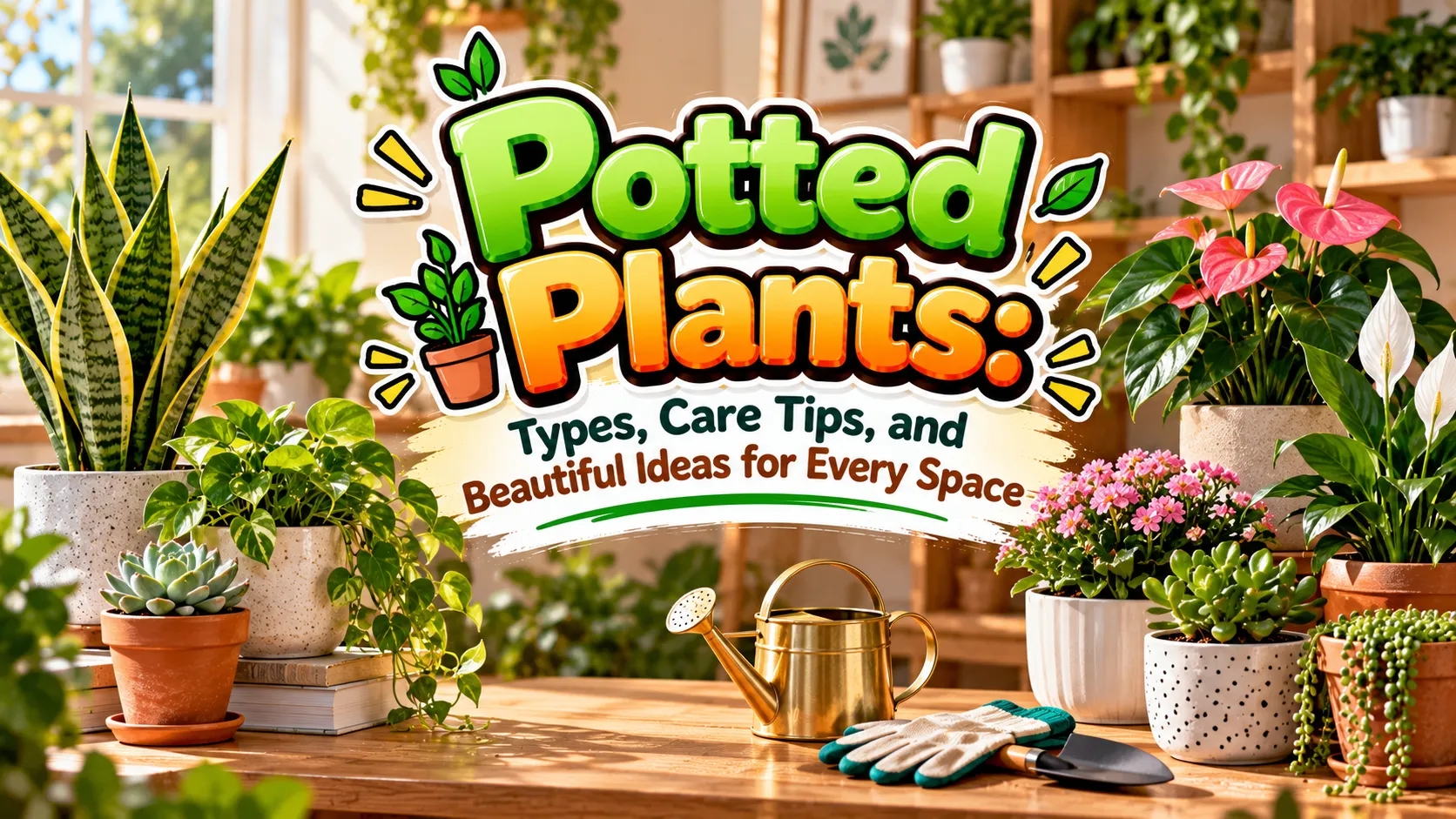
Potted plants are an easy and beautiful way to bring nature into your home, garden, balcony, or office. Whether you want to brighten a small apartment, decorate a patio, or grow fresh herbs in your kitchen, the right potted plants can make any space feel more welcoming. They come in countless sizes, colors, shapes, and varieties, making it easy to find options that match your lifestyle and available space.
One of the best things about potted plants is their flexibility. You can move them to different locations, control their growing environment, and choose containers that complement your decor. From low-maintenance indoor plants to colorful outdoor flowers, there is a suitable option for beginners and experienced gardeners alike.
In this guide, you will discover popular types of potted plants, how to choose the right containers, essential care tips, and creative ways to display plants throughout your home.
What Are Potted Plants?
Potted plants are plants grown in containers rather than directly in the ground. These containers may include traditional clay pots, ceramic planters, plastic pots, hanging baskets, wooden boxes, or decorative indoor planters.
Growing plants in pots allows you to control several important factors, including soil type, drainage, location, and watering. This makes container gardening useful for people who live in apartments, have limited outdoor space, or want to keep specific plants close at hand.
Potted plants can be grown indoors or outdoors, depending on their light, temperature, and humidity requirements. Some are grown mainly for their attractive foliage, while others produce flowers, fruits, vegetables, or fresh herbs.
Common examples include snake plants, pothos, peace lilies, petunias, basil, tomatoes, and succulents.
🌿 Best Types of Indoor Potted Plants
Indoor potted plants can add natural beauty to bedrooms, living rooms, kitchens, and workspaces. The best choices depend on the amount of sunlight available, your watering habits, and the space you want to decorate.
Here are several popular indoor plants worth considering.
1. Snake Plant
Snake plants have upright, sword-shaped leaves with green and yellow patterns on many varieties. They are popular because they tolerate lower-light conditions and generally need less frequent watering than many tropical houseplants.
Allow the soil to dry between waterings, and use a pot with drainage holes. Snake plants can suffer from root rot if their roots remain in soggy soil.
2. Pothos
Pothos plants are known for their trailing stems and heart-shaped leaves. Their foliage may be green, golden, or variegated, depending on the variety.
They work well in hanging baskets, on shelves, or in decorative pots. Pothos can tolerate a range of indoor lighting conditions, although bright, indirect light often helps maintain attractive variegation.
3. Peace Lily
Peace lilies have glossy green leaves and distinctive white flower-like structures called spathes. They can be attractive additions to rooms with moderate indirect light.
Keep the soil lightly moist without allowing the pot to sit in standing water. Peace lilies are toxic if chewed, so keep them away from pets and children who might ingest the leaves.
4. Spider Plant
Spider plants feature arching leaves and often produce small plantlets that hang from long stems. These plantlets can be propagated to create new plants.
They are suitable for shelves, hanging baskets, and bright rooms with indirect sunlight. Water when the top portion of the soil begins to dry.
5. ZZ Plant
The ZZ plant has thick stems and shiny, dark green leaves. It tolerates lower light levels and can handle occasional missed watering.
Its ability to store water makes it a practical choice for people who prefer low-maintenance plants. Avoid watering too frequently, as excess moisture can damage its roots.
6. Aloe Vera
Aloe vera is a succulent with thick leaves that store water. It prefers bright light and well-draining soil, making a sunny windowsill a suitable location.
Allow the soil to dry thoroughly before watering again. Aloe vera is also useful for learning basic succulent care, but it should be kept away from pets because it can be toxic if eaten.
🌸 Best Outdoor Potted Plants
Outdoor potted plants can brighten patios, balconies, porches, entrances, and garden paths. The right plants depend on your local climate, the amount of sunlight your space receives, and whether you want flowers, foliage, or edible crops.
Consider these popular choices for outdoor containers.
1. Petunias
Petunias produce colorful flowers in shades such as purple, pink, white, and red. They are popular for window boxes, hanging baskets, and patio containers.
Most varieties perform best with plenty of sunlight and regular watering. Remove faded flowers when appropriate for the variety to encourage a tidier display.
2. Geraniums
Geraniums are commonly grown in outdoor pots because of their attractive flowers and relatively manageable care requirements.
They generally prefer bright light and well-draining soil. Their watering needs vary with temperature, pot size, and growing conditions, so check the soil before adding more water.
3. Marigolds
Marigolds produce cheerful orange, yellow, or gold flowers. They are useful for adding warm colors to containers and garden displays.
Plant them in a sunny location and avoid keeping the soil constantly wet. Compact varieties are especially suitable for smaller pots.
4. Lavender
Lavender is valued for its fragrant foliage and purple flowers. It grows well in containers when given plenty of sunlight and excellent drainage.
Choose a pot with drainage holes and a suitable, well-draining growing medium. Lavender generally dislikes persistently wet roots.
5. Ornamental Grasses
Ornamental grasses add height, texture, and movement to outdoor container arrangements. Their narrow leaves can contrast beautifully with flowering plants.
Choose a variety suited to your climate and container size. Some grasses spread considerably, so check the mature size before planting.
6. Dwarf Citrus Trees
Dwarf citrus trees can be grown in large containers in suitable climates. Lemon, lime, and other citrus varieties may produce fragrant flowers and edible fruit when growing conditions are appropriate.
They generally need abundant light, adequate drainage, and consistent care. In cold climates, many container-grown citrus trees need protection or indoor shelter during winter.
🌱 Best Low-Maintenance Potted Plants
If you are new to gardening or have a busy schedule, low-maintenance potted plants are an excellent starting point. These plants often tolerate occasional changes in watering or lighting better than more demanding varieties.
| Plant | Light preference | Watering needs | Best for |
|---|---|---|---|
| Snake plant | Low to bright indirect light | Allow soil to dry | Bedrooms and offices |
| ZZ plant | Low to bright indirect light | Infrequent | Busy plant owners |
| Pothos | Low to bright indirect light | When the top soil dries | Shelves and hanging baskets |
| Aloe vera | Bright light | After soil dries | Sunny windowsills |
| Jade plant | Bright light | When soil dries | Succulent collections |
| Spider plant | Bright, indirect light | Moderate | Shelves and hanging pots |
| Haworthia | Bright, indirect light | After soil dries | Small spaces |
Remember that low-maintenance does not mean no-maintenance. Every plant needs suitable light, water, and growing conditions. Even drought-tolerant plants can develop problems if their roots remain wet for too long.
🌼 Flowering Potted Plants for Colorful Spaces
Flowering potted plants can make ordinary spaces look more vibrant. They are useful for decorating entryways, balconies, patios, and sunny indoor areas.
The best flowering plants depend on whether your containers will stay indoors or outdoors.
- African violets: Compact flowering plants that generally prefer bright, indirect light indoors.
- Orchids: Elegant flowering plants that need appropriate light, airflow, and a suitable potting medium.
- Begonias: Available in many varieties, including types grown for flowers or decorative foliage.
- Petunias: Colorful outdoor flowers suited to sunny containers.
- Impatiens: Popular for shaded outdoor areas, depending on the variety and climate.
- Geraniums: Suitable for bright outdoor locations and container displays.
- Chrysanthemums: Seasonal flowering plants often used for autumn decorations.
When selecting flowering plants, check the expected mature size and blooming season. Combining varieties with different flowering periods can help keep outdoor containers attractive for longer.
🏺 How to Choose the Right Pot for Your Plants
Choosing the right pot is just as important as choosing the plant itself. A container affects drainage, moisture retention, root development, and the overall appearance of your display.
Terracotta Pots
Terracotta pots are made from porous clay. They allow moisture to evaporate through their sides, which can help the soil dry more quickly.
They are especially useful for many succulents and plants that prefer drier conditions. However, plants in terracotta may need more frequent watering during hot weather.
Plastic Pots
Plastic pots are lightweight, affordable, and easy to move. They tend to retain moisture longer than unglazed terracotta pots.
They can be a practical choice for beginners, hanging containers, and plants that prefer more consistent soil moisture. Always ensure the pot has suitable drainage.
Ceramic Pots
Ceramic pots are available in many colors, shapes, and decorative finishes. They can complement indoor decor and make attractive statement planters.
Some ceramic pots have drainage holes, while others do not. If you use a decorative container without drainage, keep the plant in a separate nursery pot and remove excess water after watering.
Fabric Grow Bags
Fabric grow bags are breathable containers commonly used for vegetables, herbs, and some larger plants.
They allow air to reach the root zone and are often easy to store when empty. However, they can dry out quickly in hot or windy weather.
Wooden Planters
Wooden planters can suit patios, balconies, and rustic outdoor spaces. Choose durable materials and make sure the design allows excess water to drain away.
Helpful tip: Select a pot with drainage holes and enough room for the plant’s roots. A container that is much larger than necessary can hold excess moisture and increase the risk of root problems.
🪴 How to Choose the Right Pot Size
The size of a pot influences how much soil it holds and how quickly that soil dries. A pot that is too small may restrict root growth, while an excessively large container can retain more moisture than a small plant can use.
When repotting, choose a container that is only moderately larger than the current root ball. The ideal increase depends on the plant’s growth habit and root system.
Use these general guidelines as a starting point:
| Plant type | Suggested container approach |
|---|---|
| Small succulents | Use a pot slightly larger than the root system |
| Herbs | Choose a pot deep and wide enough for the variety |
| Pothos | Use a pot that comfortably fits the roots |
| Mature snake plants | Choose a stable pot with adequate root space |
| Tomatoes | Use a large container suited to the specific variety |
| Dwarf citrus trees | Use a sturdy container with room for long-term root growth |
Always consider the plant’s mature size. Fast-growing plants may need repotting sooner than slow-growing varieties.
☀️ How Much Sunlight Do Potted Plants Need?
Sunlight is essential for plant growth, but different plants need different amounts. Giving a plant too much or too little light can lead to weak growth, leaf discoloration, or poor flowering.
Full Sun
Full-sun plants generally need around six or more hours of direct sunlight daily, although requirements vary by species and climate.
Examples include many petunias, marigolds, lavender varieties, and fruiting vegetables. In very hot climates, some plants may benefit from protection during the hottest afternoon hours.
Partial Sun or Partial Shade
Plants in this category usually need a combination of sunlight and shade. Exact requirements vary, so check the label or care guidance for the specific variety.
Some begonias, certain flowering plants, and many herbs can perform well in locations with several hours of sunlight.
Bright, Indirect Light
Bright, indirect light is common in indoor plant care. It means the area receives plenty of natural light without strong direct sunlight hitting the leaves for extended periods.
Pothos, peace lilies, spider plants, and many tropical houseplants can grow well in suitable bright, indirect light.
Low Light
Low-light areas receive limited natural light. Some plants tolerate these conditions, but low light does not mean no light.
Snake plants and ZZ plants can often tolerate lower-light rooms, although their growth may slow. If a room is extremely dark, a suitable grow light may be necessary.
💧 How to Water Potted Plants Correctly
Watering is one of the most important parts of potted plant care. Too little water can cause wilting and dry soil, while excessive watering can deprive roots of oxygen and contribute to root rot.
Rather than watering every plant on the same schedule, check the soil and consider the plant’s specific needs.
Follow these practical steps:
- Check the soil: Feel the top layer with your finger before watering.
- Understand the plant: Succulents generally need the soil to dry more thoroughly than many tropical foliage plants.
- Water thoroughly: For most plants in containers with drainage, water until some excess drains from the bottom.
- Empty standing water: Do not allow the pot to remain in a tray full of water unless the plant specifically requires that growing method.
- Adjust for weather: Plants may need more frequent watering during hot, sunny periods and less during cool, cloudy weather.
- Check smaller pots more often: Small containers usually dry faster than large ones.
Yellow leaves, wilting, and dry leaf edges can have several causes, so do not assume every symptom means the plant needs more water. Check the soil, roots, light, and temperature before changing your routine.
🌿 Best Soil for Potted Plants
Garden soil is not always suitable for containers because it can become compacted and may drain poorly in a pot. A quality potting mix is generally a better starting point for container gardening.
The best growing medium depends on the plant.
- Tropical houseplants: Use a potting mix that holds some moisture while allowing air to reach the roots.
- Succulents and cacti: Choose a fast-draining mix designed for these plants.
- Vegetables: Use a suitable container potting mix that supports healthy root development.
- Herbs: Select a mix appropriate for the specific herb and container.
- Orchids: Use an orchid medium suited to the species, often including coarse materials that support airflow around the roots.
Avoid packing soil too tightly. Roots need oxygen as well as water and nutrients. If a plant consistently struggles with soggy soil, check the drainage holes and growing medium before increasing watering.
🌸 How to Fertilize Potted Plants
Plants grown in containers have a limited amount of soil from which to obtain nutrients. Over time, watering can also wash some nutrients out of the pot.
Fertilizer can support healthy growth when used appropriately, but more fertilizer is not always better.
Choose a fertilizer suitable for your plant and follow the label instructions. Some foliage plants benefit from balanced houseplant fertilizer during active growth, while flowering plants and edible crops may have different nutritional needs.
Keep these guidelines in mind:
- Fertilize during the growing season when appropriate for the plant.
- Avoid applying more than the recommended amount.
- Do not fertilize a severely stressed plant without identifying the cause of the problem.
- Reduce or stop feeding when the plant’s care requirements call for a dormant period.
- Water appropriately to prevent fertilizer salts from accumulating in the soil.
Brown leaf tips, crusty deposits on the soil, and poor growth can sometimes indicate fertilizer-related issues, but they may also have other causes. Review the complete care conditions before making changes.
🏡 Creative Ways to Decorate With Potted Plants
Potted plants can do more than fill empty corners. With thoughtful placement, they can create a focal point, add texture, and make a room or outdoor area feel more inviting.
Create a Green Corner
Group plants of different heights in one corner of a room. Place taller plants at the back and smaller pots in front to create a layered display.
Choose plants with similar light and watering requirements so you can care for them more easily.
Decorate Shelves With Trailing Plants
Trailing plants such as pothos can soften the straight lines of bookshelves and wall shelves. Place the pot where the stems can hang freely without blocking walkways.
Make sure the shelf can support the pot’s weight, especially after watering.
Use Hanging Baskets
Hanging baskets are useful when floor space is limited. They can add greenery to balconies, patios, and suitable indoor locations.
Check the weight capacity of the hooks and inspect hanging containers regularly to ensure they remain secure.
Brighten Your Entrance
A pair of potted plants can frame a front door or entrance. Choose varieties that suit the light exposure and local weather conditions.
Use sturdy pots in exposed areas so wind does not easily knock them over.
Grow Herbs in the Kitchen
Basil, parsley, mint, chives, and other herbs can be grown in containers when their light, temperature, and watering requirements are met.
A bright windowsill may work well, although some kitchens need supplemental grow lighting. Keep mint in its own pot because it can spread aggressively when planted with other herbs.
🌱 Growing Vegetables in Potted Plants
Container gardening makes it possible to grow some vegetables without a traditional garden. It can be especially useful for balconies, patios, and small outdoor spaces.
The key is to choose varieties that suit the available container size and sunlight.
Tomatoes
Many tomato varieties can grow in containers, but they need sufficient root space, sunlight, water, and support when required. Compact or patio varieties may be easier to manage in smaller areas.
Lettuce
Lettuce can be grown in relatively shallow containers compared with many fruiting vegetables. It often performs best in cooler conditions and may bolt quickly during hot weather.
Peppers
Sweet and hot peppers can grow in suitable pots with adequate light and consistent moisture. Choose a container size appropriate for the variety.
Radishes
Radishes are often suitable for container gardening because many varieties grow quickly and have relatively modest space requirements. Use a container deep enough for the selected variety.
Herbs
Basil, parsley, thyme, and chives are common container herbs. Their needs differ, so avoid assuming that all herbs prefer the same amount of water or sunlight.
For edible container gardens, use containers intended for growing plants and follow the growing medium and fertilizer guidance appropriate for food crops.
🍂 Seasonal Care for Potted Plants
Potted plants can experience temperature changes more quickly than plants growing in the ground. Their roots are exposed to the conditions surrounding the container, making seasonal adjustments important.
Spring Care
Spring is a useful time to inspect plants for new growth, remove dead leaves, and repot plants that have outgrown their containers.
Gradually introduce indoor plants to stronger outdoor light if you plan to move them outside. Sudden exposure to intense sunlight can damage leaves.
Summer Care
Hot weather can cause containers to dry quickly. Check soil moisture more frequently, especially for plants in small pots, hanging baskets, or exposed locations.
Protect plants from extreme heat when necessary, and avoid leaving waterlogged pots in saucers for extended periods.
Autumn Care
As temperatures fall, bring sensitive plants indoors before conditions become too cold for them. Inspect leaves and stems for pests before placing outdoor plants near indoor collections.
Reduce watering when growth slows, but continue to check soil moisture rather than following a fixed schedule.
Winter Care
Many houseplants grow more slowly during winter because of reduced light and cooler temperatures. They may need less water, depending on the species and indoor conditions.
Keep tropical plants away from cold drafts and sudden temperature changes. Check the care needs of outdoor container plants in your climate, since some roots are more vulnerable to freezing in pots than in the ground.
🐛 Common Potted Plant Problems and How to Fix Them
Even healthy-looking plants can develop problems when their growing conditions change. Identifying the likely cause is more effective than treating every symptom in the same way.
| Problem | Possible cause | What to check |
|---|---|---|
| Yellow leaves | Overwatering, underwatering, low light, or natural aging | Soil moisture and light conditions |
| Brown leaf tips | Dry air, inconsistent watering, or fertilizer salts | Humidity, watering habits, and fertilizer use |
| Wilting | Dry soil, damaged roots, or excessive heat | Soil moisture and root health |
| Slow growth | Low light, limited nutrients, or seasonal dormancy | Light, feeding, and growing season |
| Mushy roots | Persistently wet soil or poor drainage | Drainage holes and root condition |
| Small insects | Possible pest infestation | Leaf undersides, stems, and soil surface |
| White deposits on soil | Mineral buildup or other residue | Water quality and fertilizer history |
If pests are present, identify them before choosing a treatment. Isolate affected plants when practical, remove heavily infested material if appropriate, and follow product labels carefully when using a plant-safe treatment.
⚠️ Common Mistakes to Avoid When Growing Potted Plants
Many container gardening problems come from a few avoidable mistakes. Learning what plants need before bringing them home can save time, money, and frustration.
- Watering on a rigid schedule: Soil dries at different rates depending on the plant, pot, weather, and location.
- Choosing pots without drainage: Excess water can collect around the roots and cause damage.
- Ignoring sunlight requirements: A plant that needs bright light may struggle in a dark corner.
- Using unsuitable soil: Dense garden soil can restrict drainage and airflow in containers.
- Choosing oversized pots: Excess soil may stay wet longer than the roots can use it.
- Overfertilizing: Too much fertilizer can damage roots and contribute to salt buildup.
- Crowding plants together: Poor airflow can increase certain pest and disease problems.
- Ignoring mature size: A small plant may eventually outgrow its original container or location.
- Forgetting pet safety: Some popular houseplants are toxic if chewed or swallowed.
A simple care routine based on observation is usually more reliable than treating every plant the same way.
❓ Frequently Asked Questions About Potted Plants
Below are answers to common questions people ask when choosing and caring for potted plants.
What are the easiest potted plants to grow?
Snake plants, ZZ plants, pothos, spider plants, and many succulents are popular choices for beginners. Their care needs differ, but they can be manageable when matched with suitable light, soil, and watering conditions.
How often should I water potted plants?
There is no single watering schedule for every potted plant. Check the soil and consider the species, pot size, drainage, temperature, and sunlight. Some plants need frequent watering, while others prefer the soil to dry between waterings.
Do potted plants need direct sunlight?
Not all potted plants need direct sunlight. Some flowering plants and vegetables require several hours of direct sun, while many indoor foliage plants prefer bright, indirect light. Always check the requirements of the specific plant.
Can potted plants grow indoors all year?
Yes, many houseplants can grow indoors throughout the year if their light, temperature, watering, and humidity needs are met. Seasonal changes may affect growth and watering requirements.
What is the best pot material for plants?
The best material depends on the plant and growing conditions. Terracotta dries quickly, plastic retains moisture longer, ceramic offers decorative options, and fabric grow bags provide airflow around the root zone. Drainage is an important consideration for all of them.
Why are my potted plant leaves turning yellow?
Yellow leaves can result from overwatering, underwatering, insufficient light, nutrient problems, pests, or natural aging. Check the soil moisture, lighting, and overall plant condition before changing the care routine.
Can I use garden soil in pots?
A suitable potting mix is generally preferable because garden soil may become compacted in containers and drain poorly. Choose a growing medium designed for your plant type.
Which potted plants are best for small apartments?
Compact snake plants, small ZZ plants, pothos, spider plants, and appropriately sized succulents can work well in apartments. Consider the available light, the mature size of the plant, and whether pets may chew the leaves.
Are potted plants good for balconies?
Yes, potted plants can make balconies more attractive and allow you to grow flowers, foliage plants, herbs, and some vegetables. Choose varieties that suit the balcony’s sunlight and wind exposure, and make sure containers are secure.
When should I repot a potted plant?
Repotting may be necessary when roots crowd the container, water passes through unusually quickly because the pot is root-bound, or growth is restricted by limited root space. Choose a suitable pot size and fresh growing medium when repotting is needed.
🌿 Final Thoughts on Potted Plants
Potted plants offer a practical way to enjoy greenery in almost any setting. Whether you prefer low-maintenance houseplants, colorful outdoor flowers, decorative foliage, or homegrown herbs, there are many options for different spaces and gardening experience levels.
The key to healthy potted plants is choosing varieties that suit your environment, using containers with appropriate drainage, providing the right light, and adjusting watering to the plant’s needs. With a little observation and consistent care, container gardening can become an enjoyable part of your everyday routine.
Start with a few plants that match your space and schedule. As you learn what works best, you can gradually create a beautiful collection that makes your home, balcony, or garden feel more alive.

Ethan Carter is a nature enthusiast and content writer with a passion for flowers and botanical knowledge. He is the author behind FlowerNamez, where he shares simple and informative content about flower names, types, and meanings.
With a focus on clarity and accuracy, Ethan aims to help readers explore the beauty of flowers and understand their significance in everyday life.