
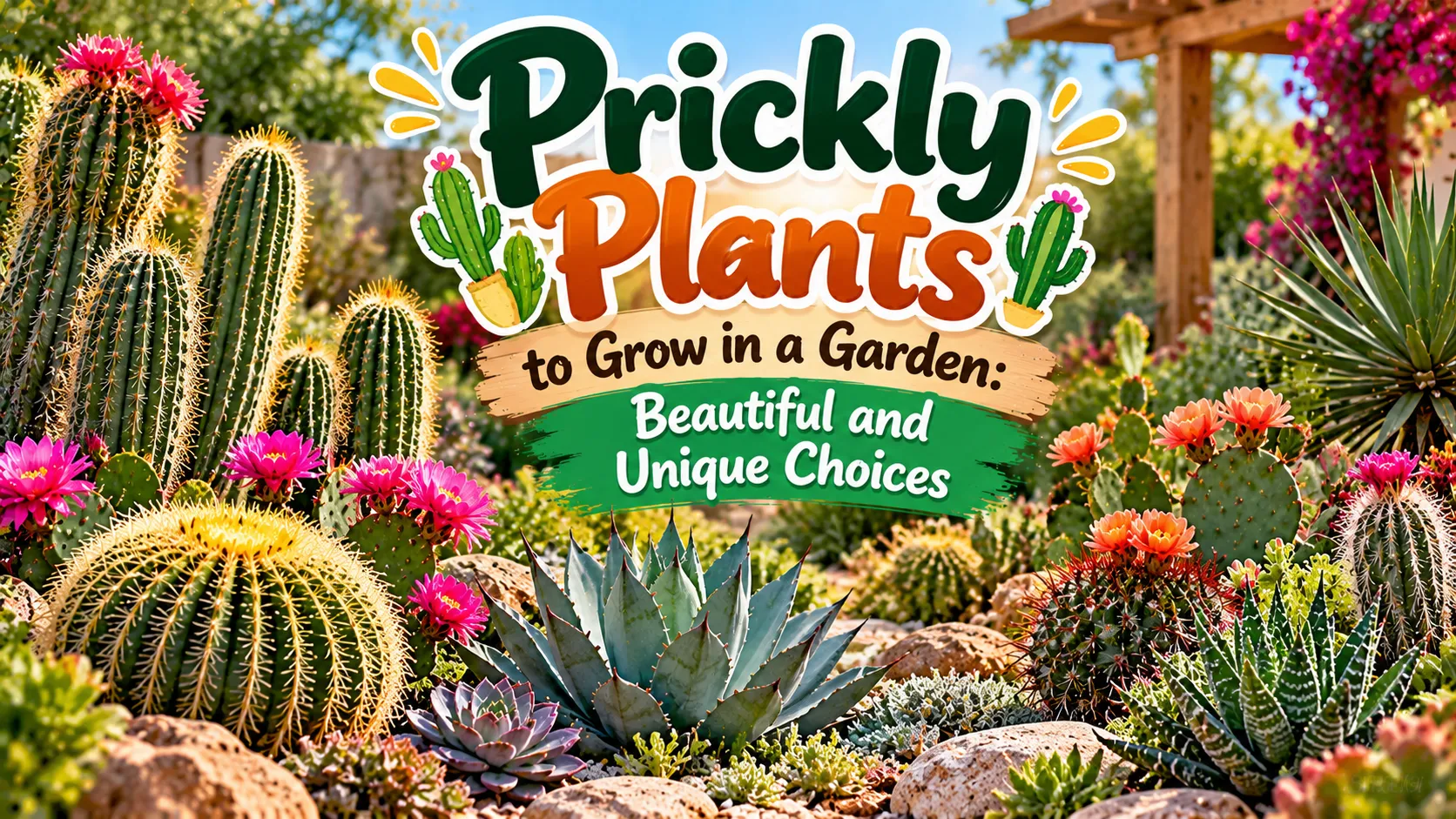
Prickly plants to grow in a garden offer a unique combination of beauty, texture, and natural protection. From colorful roses and spiny cacti to dramatic agaves and flowering shrubs, these plants can transform an ordinary outdoor space into a striking landscape. Their sharp thorns, spines, or prickly leaves create interesting shapes while helping some plants defend themselves against hungry animals.
Whether you want to design a desert-inspired garden, add a protective border around your property, or introduce unusual plants to your flower beds, there are plenty of options to explore. Some prickly plants produce beautiful flowers, while others feature sculptural foliage that looks attractive throughout the year.
However, choosing the right variety requires more than considering its appearance. Sunlight, soil drainage, climate, mature size, and safety all influence how well a prickly plant performs in your garden.
In this guide, you’ll discover the best prickly plants for gardens, their growing requirements, and practical tips for planting and maintaining them successfully.
🌵 What Are Prickly Plants?
Prickly plants are plants that have sharp structures such as thorns, spines, prickles, or pointed leaves. These structures often help protect the plant from herbivores, although their biological functions vary by species.
Cacti typically have spines that develop from specialized structures called areoles. Roses have prickles that grow from the outer surface of their stems, while plants such as agave have pointed leaf tips and sometimes sharp edges.
Prickly plants grow in many environments, including deserts, grasslands, woodlands, and temperate gardens. Some prefer hot, dry conditions, while others thrive in moist soil and cooler weather.
🌺 Best Prickly Plants to Grow in a Garden
The best prickly plants depend on your climate, available space, and preferred garden style. These popular choices offer different colors, textures, and levels of maintenance.
1. Roses
Roses are classic garden plants known for their colorful flowers and thorny stems. They come in many forms, including climbing roses, shrub roses, miniature varieties, and compact patio roses.
Most roses grow best in sunny locations with well-drained soil. Regular pruning, suitable watering, and good airflow help maintain healthy growth.
Choose a variety that suits your climate and the amount of space available. Roses can create attractive flowering borders, but their prickles make careful placement important near paths and seating areas.
2. Prickly Pear Cactus
Prickly pear cactus (Opuntia) features flat, fleshy pads and may produce bright flowers followed by colorful fruits. Some varieties have prominent spines, while others have tiny, easily overlooked barbed structures.
These cacti generally prefer full sun and well-drained soil. They are useful in dry gardens, rock landscapes, and containers where their mature size can be managed.
Handle them carefully because even small barbed structures can stick to skin.
3. Agave
Agave plants form dramatic rosettes of thick, pointed leaves. Many varieties have sharp leaf tips and toothed margins that give them a bold, architectural appearance.
Most agaves prefer sunny locations and excellent drainage. They can be particularly attractive in desert-inspired gardens, gravel beds, and large containers.
Place agaves away from narrow walkways and play areas because their pointed leaves can cause injuries.
4. Hawthorn
Hawthorn is a thorny shrub or small tree that can be used in suitable hedges and wildlife-friendly gardens. Many varieties produce white flowers in spring and red or orange fruits later in the season.
Hawthorns tolerate a range of growing conditions, although their exact needs depend on the species. Their dense branches can provide shelter for birds, while their thorns create a natural barrier.
Allow enough room for the plant to reach its mature size, and check local recommendations before selecting a variety.
5. Firethorn
Firethorn (Pyracantha) is an evergreen or semi-evergreen shrub known for its thorny branches, small white flowers, and bright clusters of berries.
It can work well as a boundary shrub or a trained wall plant. Many varieties tolerate pruning and can create dense growth.
Firethorn prefers suitable sunlight and well-drained soil. Wear protective gloves when pruning, and remember that its sharp thorns make it unsuitable for some narrow garden spaces.
6. Crown of Thorns
Crown of thorns (Euphorbia milii) is a thorny plant with thick stems and colorful flower-like bracts. It is often grown as a container plant in warm climates.
It generally prefers bright light, warmth, and well-drained soil. Allow the soil to dry somewhat between waterings rather than keeping it constantly wet.
Its milky sap can irritate skin and eyes, so handle it carefully and keep it away from children and pets.
7. Barberry
Barberry (Berberis) includes shrubs with thorny stems and foliage in shades of green, purple, red, or gold, depending on the variety.
These plants can provide structure and color in borders and suitable hedges. Many tolerate pruning and a range of soil conditions when drainage is adequate.
Some barberry species are invasive in certain regions. Check local guidance before planting, especially if you want a shrub that will remain in your garden for many years.
8. Blackberry
Blackberry plants have arching canes, and many varieties carry prickles. They produce edible berries and can be grown in gardens where there is enough room to manage their spreading growth.
Choose a variety suited to your climate, and provide support if necessary. Regular pruning helps maintain the plants and improves access to the fruit.
Thornless varieties are also available if you prefer easier harvesting and maintenance.
9. Bougainvillea
Bougainvillea is a vigorous flowering plant with colorful bracts and thorny stems. In warm climates, it can climb over fences, pergolas, and walls.
It typically thrives in sunny conditions and well-drained soil. Once established, many varieties tolerate periods of dry weather.
Bougainvillea needs room to spread, and its sharp thorns can make pruning difficult. Position it where its branches won’t snag people walking past.
10. Barrel Cactus
Barrel cacti have rounded or cylindrical bodies with prominent ribs and sharp spines. Some varieties produce bright flowers near the top of the plant.
They usually prefer full sun and fast-draining soil. These cacti work well in rock gardens and desert-style landscapes where winter conditions suit the species.
Avoid placing them beside busy paths, doorways, or children’s play areas.
🌿 More Prickly Plants for Garden Landscaping
If you want to create a garden with varied shapes and textures, consider adding other thorny or spiny species suited to your region.
- Blackthorn: A thorny shrub that can form a dense hedge and produce spring flowers.
- Sea buckthorn: A thorny shrub with narrow leaves and orange berries on many female plants.
- Holly: An evergreen shrub or tree with pointed leaves in many species.
- Honey locust: Some varieties have long, branched thorns, although thornless cultivars are also available.
- Yucca: Many species have stiff, pointed leaves that suit dry gardens.
- Golden barrel cactus: A rounded cactus with prominent golden spines.
- Climbing roses: Thorny vines that can decorate suitable fences and trellises.
- Prickly pear varieties: Different species offer a range of pad shapes, flowers, and growth habits.
Always research the exact species before planting. A plant that works well in one region may spread aggressively or struggle in another.
☀️ Best Prickly Plants for Full Sun
Sunny garden areas are ideal for many cacti, agaves, bougainvillea, and other plants adapted to bright conditions.
Good options for suitable climates include prickly pear cactus, barrel cactus, agave, crown of thorns, and bougainvillea. Roses and firethorn can also grow in sunny locations, provided their water and soil needs are met.
Before planting, check how much direct sunlight the variety requires. In extremely hot climates, some plants may benefit from protection against harsh afternoon sun, particularly while they establish.
🌳 Prickly Plants for Hedges and Natural Barriers
Thorny shrubs can create attractive boundaries while helping discourage unwanted access to certain parts of a garden.
Hawthorn, firethorn, barberry, and some blackberry varieties may be suitable for this purpose, depending on local conditions and regulations.
Choose plants according to their mature height, spread, and pruning needs. Keep thorny growth away from sidewalks, driveways, and narrow passages where people may brush against the branches.
A mixed hedge can also provide seasonal flowers, berries, and shelter for wildlife. However, avoid planting species known to be invasive in your region.
🪴 Prickly Plants for Pots and Small Gardens
You don’t need a large backyard to enjoy prickly plants. Many compact cacti, small agaves, and crown of thorns plants can grow in containers when their light and temperature requirements are met.
Choose a sturdy pot with drainage holes and a growing medium suitable for the species. Heavy pots can provide stability for top-heavy plants, while terracotta pots can help the soil dry more quickly.
Wear gloves when repotting spiny plants, and use appropriate tools rather than gripping the plant directly. Keep containers in locations where sharp leaves and stems won’t cause accidental injuries.
💧 How to Care for Prickly Garden Plants
Prickly plants have different care requirements, so always check the needs of the individual species.
Water correctly. Cacti and many succulents prefer the soil to dry between waterings. Roses, blackberries, and other leafy plants may require more regular moisture.
Provide suitable soil. Desert plants often need excellent drainage, while flowering shrubs may tolerate more moisture. Avoid keeping the roots of drought-adapted plants in waterlogged soil.
Prune safely. Wear thick gardening gloves, protective clothing, and eye protection when working around sharp thorns or spines.
Choose the right location. Allow enough room for mature growth and keep sharp plants away from narrow paths, entrances, and children’s play spaces.
Inspect plants regularly. Look for pests, damaged branches, or signs of root problems. Address issues early before they affect the entire plant.
Use fertilizer appropriately. Follow the requirements of each species rather than feeding every prickly plant in the same way.
⚠️ Safety Tips for Growing Prickly Plants
Prickly plants can be beautiful, but their sharp structures require thoughtful placement and handling.
- Wear sturdy gloves and long sleeves when pruning or repotting.
- Use eye protection when trimming plants with long, rigid spines.
- Keep sharp plants away from frequently used pathways.
- Position large agaves and cacti away from children’s play areas.
- Research plant toxicity before growing unfamiliar species.
- Avoid touching cactus spines or tiny barbed structures with bare hands.
- Clean and maintain pruning tools after use.
- Check local rules before planting thorny species that may become invasive.
Some plants, including crown of thorns, also produce irritating sap. Read reliable care information before handling an unfamiliar species.
❓ Frequently Asked Questions About Prickly Plants
What are the best prickly plants for a garden?
Roses, prickly pear cactus, agave, hawthorn, firethorn, barberry, and bougainvillea are popular choices. The best plant depends on your climate, available space, and desired appearance.
Which prickly plants are easiest to maintain?
In suitable climates, many cacti and agaves require relatively little maintenance once established. Their success depends on adequate sunlight, suitable temperatures, and well-drained soil.
Can prickly plants grow in pots?
Yes. Many cacti, small agaves, and crown of thorns plants can grow in containers. Use pots with drainage holes and choose a location that meets the plant’s light requirements.
Are prickly plants good for garden boundaries?
Some thorny shrubs, such as hawthorn and firethorn, can form dense hedges. Choose locally appropriate species and keep them away from areas where people need to pass closely.
Do all prickly plants need very little water?
No. Cacti and many succulents tolerate dry conditions, but roses, blackberries, and several thorny shrubs need more regular watering. Care requirements depend on the species.
Are prickly plants safe around pets and children?
Not all are safe. Sharp spines can cause injuries, and some plants have irritating sap or toxic parts. Choose locations carefully and research each species before planting.
🌵 Final Thoughts
Prickly plants to grow in a garden offer an appealing mix of colorful flowers, unusual foliage, and natural texture. From elegant roses and thorny flowering shrubs to sculptural agaves and cacti, these plants can suit many different landscape styles.
The key is to select species that match your climate, soil, and available space. Consider their mature size, water requirements, and safety before planting them near paths or seating areas.
With the right choices and careful placement, prickly plants can become distinctive features in your garden while providing beauty and, in some cases, useful wildlife habitat.

Ethan Carter is a nature enthusiast and content writer with a passion for flowers and botanical knowledge. He is the author behind FlowerNamez, where he shares simple and informative content about flower names, types, and meanings.
With a focus on clarity and accuracy, Ethan aims to help readers explore the beauty of flowers and understand their significance in everyday life.