
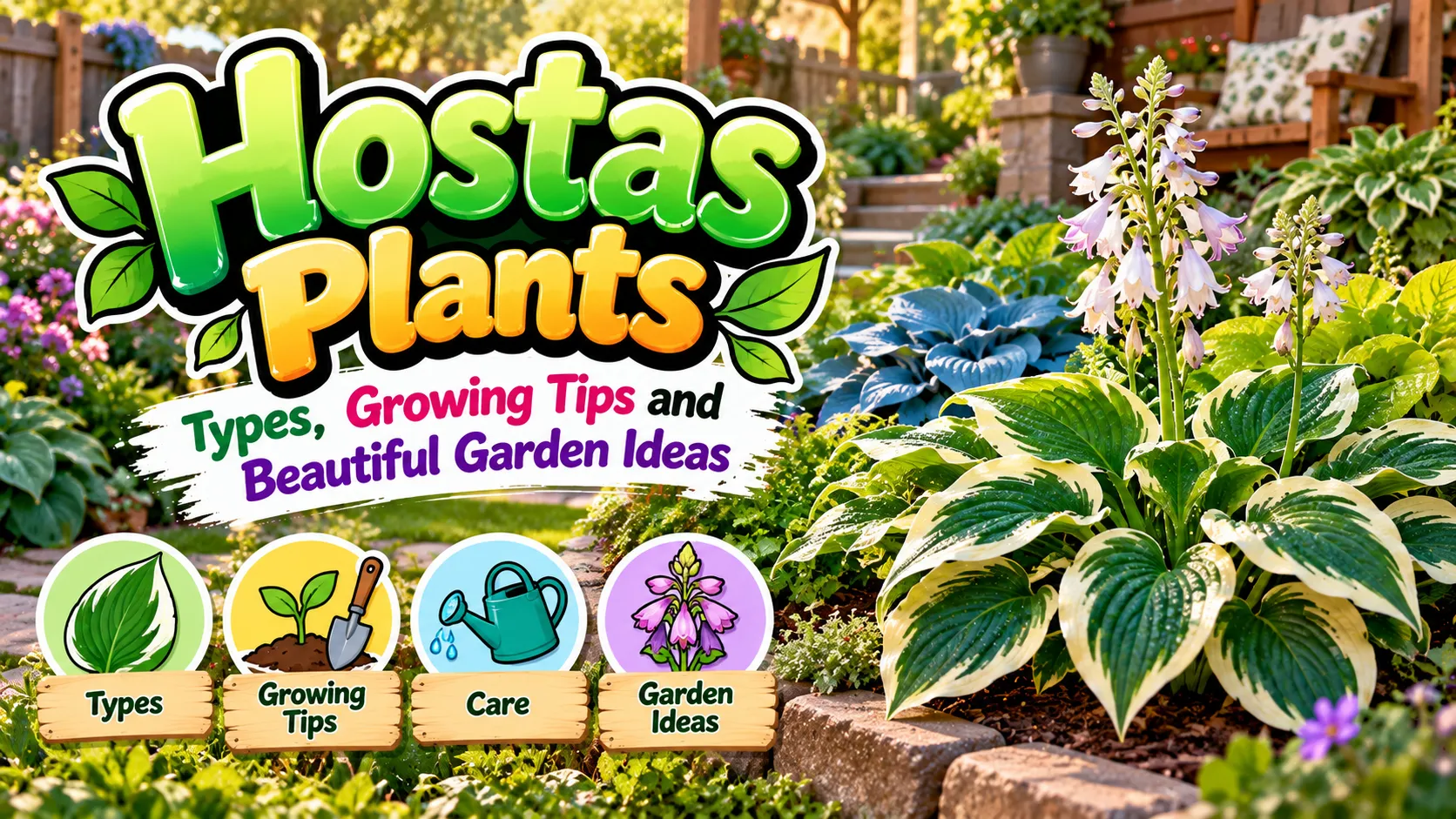
Hostas plants are among the most popular choices for gardeners who want attractive foliage, easy maintenance, and beautiful greenery in shady areas. Known for their large leaves, elegant shapes, and stunning colors, hostas can transform ordinary garden corners into peaceful, eye-catching spaces. Their foliage ranges from deep green and blue-green to golden yellow and creamy white, making it easy to find varieties that suit almost any garden design.
Whether you are creating a shade garden, filling empty spaces beneath trees, decorating a woodland landscape, or growing plants in containers, hostas offer plenty of possibilities. These hardy perennials return year after year when grown in suitable conditions. Although they are relatively easy to care for, choosing the right variety, providing enough moisture, and protecting the leaves from slugs and other pests can make a significant difference. In this guide, you will learn about the best hostas plants, their growing requirements, planting methods, seasonal care, and practical tips for keeping them healthy.
🌱 What Are Hostas Plants?
Hostas are herbaceous perennial plants valued primarily for their decorative foliage. They belong to the genus Hosta and are native to East Asia, including regions of China, Japan, and Korea. Gardeners around the world grow them because they tolerate shade well and offer an impressive range of leaf sizes, textures, and colors.
Hostas grow from underground crowns and roots. Their leaves emerge during the growing season, forming attractive clumps that can gradually become larger over time. Depending on the variety, a mature plant may remain compact or spread across a considerable area.
Many hostas also produce flower stalks during summer. Their flowers are typically white, lavender, or pale purple, and some varieties have a pleasant fragrance.
Key characteristics of hostas include:
- Broad leaves with smooth, rippled, or deeply textured surfaces.
- Foliage in green, blue-green, gold, yellow, and variegated patterns.
- A natural preference for partial shade or filtered sunlight.
- Growth as clumping perennials that return in suitable climates.
- Flowers that attract bees and other pollinators.
- Different mature sizes, from miniature varieties to large landscape plants.
- The ability to grow in garden beds, woodland gardens, and containers.
Hostas are especially useful when you want a garden with attractive foliage rather than relying entirely on colorful flowers.
🌿 Why Are Hostas So Popular in Gardens?
Hostas have earned their popularity because they combine visual appeal with relatively simple maintenance. Their large leaves create a lush appearance, even in garden spaces where many flowering plants struggle.
One of their greatest advantages is the variety available. You can choose plants with tiny leaves for narrow borders or large, dramatic varieties for focal points. Their contrasting colors also make it easy to create interesting combinations.
Gardeners appreciate hostas for several reasons:
- Shade tolerance: Many varieties thrive in partial shade and filtered light.
- Decorative foliage: Their leaves add texture, color, and structure to landscapes.
- Perennial growth: Established plants can return each spring.
- Versatile planting: They work well in borders, woodland gardens, and containers.
- Variety of sizes: Miniature, medium, and giant varieties suit different spaces.
- Seasonal flowers: Flower stalks add extra interest during summer.
- Easy propagation: Mature clumps can often be divided to produce additional plants.
- Companion planting: Their foliage pairs beautifully with ferns, heucheras, and other shade-loving plants.
Although hostas are generally easy to grow, they are not completely maintenance-free. Slugs, deer, excessive dryness, and poorly drained soil can cause problems.
🌳 Best Types of Hostas Plants for Your Garden
Hostas come in hundreds of cultivated varieties, each offering different leaf shapes, colors, and growth habits. The best choice depends on your available space, light conditions, and preferred garden style.
💚 Green Hostas
Green hostas have solid green foliage that works well in traditional gardens, woodland landscapes, and natural-looking borders. Their leaves create a calm backdrop for colorful flowers and ornamental plants.
Many green varieties tolerate shade particularly well, although their exact light requirements depend on the cultivar.
Green hostas are a good choice if you want:
- A simple, natural-looking garden.
- Consistent foliage color throughout the growing season.
- A background for plants with colorful flowers.
- A lush appearance beneath trees or along shaded paths.
- A low-maintenance perennial for suitable growing conditions.
These varieties are especially effective when planted in groups to create broad areas of greenery.
💙 Blue Hostas
Blue hostas are admired for their blue-gray or blue-green leaves. Their distinctive color comes partly from a waxy surface coating that can make the foliage appear bluish.
Popular examples include ‘Halcyon’ and ‘Blue Angel’. Blue hostas often look particularly attractive in shaded gardens, where their cool tones contrast with bright green foliage.
For the best results:
- Provide partial or filtered shade.
- Avoid excessive direct afternoon sunlight.
- Keep the soil consistently moist but not waterlogged.
- Handle leaves gently because rubbing can remove the waxy coating.
- Give larger varieties enough room to reach their mature size.
Blue hostas can lose some of their blue appearance as the waxy coating wears away or environmental conditions change.
💛 Gold and Yellow Hostas
Gold hostas feature yellow, chartreuse, or golden-green leaves. They can brighten shaded areas that might otherwise appear dark or dull.
Some golden varieties develop stronger yellow coloration when they receive appropriate morning sunlight. However, too much intense sunlight can scorch the leaves, especially in hot climates.
Golden hostas work particularly well with:
- Dark green foliage plants.
- Blue hostas.
- Purple-leaved heucheras.
- Ferns and woodland perennials.
- Shaded pathways and garden borders.
Always check the recommended light conditions for a specific variety because gold hostas differ in their tolerance of sunlight.
🤍 Variegated Hostas
Variegated hostas feature leaves with contrasting colors, such as green centers and creamy white or yellow edges. Some varieties have pale centers surrounded by darker green margins.
These patterns make the plants stand out in mixed borders and shaded garden beds.
Variegated hostas are useful for:
- Adding contrast to green garden foliage.
- Brightening dark planting areas.
- Creating visual interest near paths and entrances.
- Combining with solid-colored hostas.
- Decorating woodland-style landscapes.
The amount of sunlight a variegated hosta can tolerate depends on the variety. Plants with extensive white areas may be more vulnerable to leaf scorch in strong sunlight.
🌱 Miniature Hostas
Miniature hostas are compact varieties that fit into small spaces. Their delicate leaves and modest growth make them ideal for containers, rock gardens, small borders, and the front of planting beds.
Examples include ‘Blue Mouse Ears’, a well-known miniature variety with rounded blue-green leaves.
Miniature hostas are useful when you want:
- Plants for small gardens.
- Decorative containers for shaded patios.
- Fine foliage details along garden edges.
- Small collections of different leaf colors.
- Plants that do not overwhelm nearby flowers.
Even compact varieties need appropriate soil moisture and protection from slugs, which can damage small leaves quickly.
🌳 Giant Hostas
Giant hostas produce large clumps with broad leaves and impressive overall dimensions. Some varieties can become several feet wide, making them excellent focal points in spacious gardens.
‘Empress Wu’ is a famous example known for its enormous size under suitable growing conditions.
Giant hostas are best suited to:
- Large woodland gardens.
- Spacious shaded borders.
- Landscape beds beneath mature trees, where soil conditions are suitable.
- Areas where a bold foliage feature is desired.
- Gardens with enough room for mature plants to spread.
Before planting a giant variety, check its expected mature width. Giving it enough space reduces competition and prevents the garden from becoming overcrowded.
🌸 Popular Hosta Varieties Worth Growing
Choosing a specific cultivar helps you match the plant to your garden’s light conditions, available space, and design.
Here are some popular hostas to consider:
- ‘Blue Angel’: A large hosta with blue-green foliage that creates a dramatic presence in shaded gardens.
- ‘Halcyon’: A medium-sized blue hosta valued for its attractive, substantial leaves.
- ‘Sum and Substance’: A large variety known for broad, golden-green foliage.
- ‘Patriot’: A variegated hosta with green leaves and contrasting white margins.
- ‘Francee’: A classic variety featuring green leaves edged in white.
- ‘June’: A colorful hosta with blue-green and golden tones that can vary with growing conditions.
- ‘Guacamole’: A green and gold variety known for its attractive foliage and fragrant flowers.
- ‘Blue Mouse Ears’: A compact hosta with rounded blue-green leaves.
- ‘Empress Wu’: A giant hosta suitable for large garden spaces.
- ‘Fire and Ice’: A variegated variety with pale leaf centers and green margins.
- ‘Autumn Frost’: A blue-green hosta with bright yellow margins that become creamy over time.
- ‘Golden Tiara’: A compact, spreading hosta with green leaves edged in gold.
Plant descriptions are general guides rather than guarantees. Leaf color, mature size, and growth rate can change according to climate, soil, watering, and light exposure.
☀️ How Much Sunlight Do Hostas Plants Need?
Most hostas grow best in partial shade or filtered sunlight. They are particularly useful in gardens where direct sunlight is limited by trees, buildings, or nearby structures.
However, not every hosta needs the same amount of shade. Some varieties tolerate more morning sun, while others perform best in protected locations.
🌤️ Morning Sunlight
Gentle morning sunlight can benefit certain hostas, especially varieties with gold or yellow foliage. It may help some plants develop brighter leaf colors.
If your garden receives morning sun and afternoon shade, it may provide suitable conditions for many hostas.
Observe your plants after planting. Pale patches, crispy edges, or brown areas may indicate that the leaves are receiving too much direct sunlight or experiencing water stress.
🌳 Partial Shade
Partial shade is often an excellent growing environment for hostas. These locations receive some sunlight during the day but are protected from the strongest midday or afternoon rays.
Suitable locations may include:
- Under trees with an open canopy.
- Along the shaded side of a house.
- Beneath pergolas that filter sunlight.
- In woodland-style planting beds.
- Near shrubs that provide light shade.
Keep in mind that trees and shrubs also compete for water and nutrients. Hostas planted beneath them may require additional watering during dry periods.
🌞 Can Hostas Grow in Full Sun?
Some hosta varieties tolerate more sun than others, particularly when the soil remains consistently moist. However, intense afternoon sunlight can damage foliage, especially in hot climates.
If your garden receives several hours of strong direct sunlight, select a sun-tolerant cultivar and monitor it closely. Provide adequate moisture and consider afternoon shade.
In very hot regions, even varieties described as sun-tolerant may benefit from protection during the hottest part of the day.
🌱 What Is the Best Soil for Hostas?
Hostas prefer fertile, moisture-retentive soil that drains well. They generally perform best in soil enriched with organic matter, such as compost or well-decomposed leaf mold.
Good drainage is important because roots can suffer when the soil remains saturated for long periods.
For healthy growth, aim for soil that is:
- Rich in organic matter.
- Moist but not waterlogged.
- Loose enough for roots to grow.
- Well-drained.
- Suitable in pH for the selected cultivar, generally around slightly acidic to neutral conditions.
Before planting, loosen the soil and mix in a moderate amount of mature compost if needed. Avoid adding excessive fertilizer or fresh manure, which may damage roots or create nutrient imbalances.
If your soil is heavy clay, improve its structure with organic matter and consider raised beds where drainage is poor. In sandy soil, compost can help retain moisture and nutrients.
🪴 How to Plant Hostas Step by Step
Planting hostas correctly gives their roots a good start and encourages healthy foliage.
🌿 Choose the Right Location
Select a site with suitable light conditions and enough room for the plant to reach its mature size.
Consider nearby trees, shrubs, walls, and other plants. Avoid locations where water collects after heavy rain.
🌱 Prepare the Soil
Remove weeds, grass, and large stones from the planting area. Loosen the soil and mix in compost if the ground needs additional organic matter.
The goal is to create a growing environment that retains moisture without becoming waterlogged.
🪴 Dig a Suitable Hole
Dig a hole wide enough to accommodate the roots comfortably. The hole should allow the plant to sit at approximately the same depth at which it was growing in its nursery pot.
Avoid planting the crown too deeply because buried crowns may be more susceptible to rot.
🌿 Position the Plant
Carefully remove the hosta from its container. Gently loosen tightly packed roots if necessary, then place the plant in the hole.
Spread the roots naturally and fill the surrounding space with soil.
💧 Water Thoroughly
Water the plant after planting to settle the soil around the roots. Keep the soil evenly moist while the hosta becomes established.
Avoid leaving the plant sitting in standing water.
🍂 Add Mulch
Apply a light layer of organic mulch around the plant to help conserve moisture and reduce weed growth.
Keep the mulch away from direct contact with the crown to reduce the risk of rot.
📅 When Is the Best Time to Plant Hostas?
Spring and early fall are generally good times to plant hostas in climates where they grow as hardy perennials.
Spring planting allows the roots to establish while the weather is relatively mild. Early fall planting gives the plant time to develop roots before winter dormancy, provided there is enough time before the ground freezes.
For the best results:
- Plant in spring after severe frost has passed.
- Choose a mild period rather than an extreme heat wave.
- Water regularly while the roots establish.
- Avoid planting immediately before prolonged freezing weather.
- Provide temporary shade if newly planted hostas experience unusually hot conditions.
Hostas are dormant during winter in many climates. Their foliage dies back naturally, and new growth usually appears as temperatures rise in spring.
The exact planting time depends on your local climate, so regional gardening guidance can help you choose the most suitable season.
💧 How Often Should You Water Hostas?
Hostas generally prefer consistently moist soil, particularly while their leaves are expanding and during hot, dry weather.
Newly planted hostas need closer attention because their roots have not yet spread fully into the surrounding soil. Established plants may tolerate short dry periods, but prolonged drought can cause leaf edges to brown and growth to slow.
Use these watering guidelines:
- Check the soil regularly rather than following a fixed schedule.
- Water when the upper soil begins to dry.
- Apply water near the base of the plant.
- Water deeply enough to moisten the root zone.
- Avoid frequent shallow watering that only wets the surface.
- Reduce watering during cool or rainy weather.
- Ensure containers have drainage holes.
- Watch for wilting or dry leaf edges during hot conditions.
Morning is often a convenient time to water because it allows foliage to dry during the day if it becomes wet.
Do not assume that a wilting hosta always needs more water. Waterlogged soil can damage roots and produce symptoms that resemble drought stress.
🌿 How to Fertilize Hostas for Healthy Growth
Hostas can grow well in fertile soil without heavy feeding. Excessive fertilizer is not necessary and may cause problems, particularly if the plant is already growing in nutrient-rich soil.
A balanced, slow-release fertilizer may be useful when soil fertility is low. Apply it according to the product label and the needs of your plants.
Helpful fertilizing practices include:
- Add mature compost to improve soil structure and nutrient availability.
- Apply fertilizer during active spring growth if needed.
- Follow the recommended application rate.
- Avoid placing fertilizer directly against the crown.
- Do not fertilize heavily late in the growing season.
- Water as directed after applying granular fertilizer.
Healthy hostas need more than nutrients. Suitable light, steady moisture, healthy roots, and protection from pests all contribute to attractive foliage.
✂️ How to Prune and Maintain Hostas
Hostas generally require little pruning, but a few simple maintenance tasks help keep them looking attractive.
During the growing season, remove damaged or diseased leaves when necessary. Clean pruning tools between plants if you suspect a disease problem.
For routine maintenance:
- Remove badly damaged leaves.
- Trim flower stalks after flowering if you prefer a tidy appearance.
- Leave healthy foliage in place while it is still contributing to plant growth.
- Clear away dead leaves when the plant enters dormancy.
- Remove weeds around the crown.
- Refresh mulch when necessary.
- Check for pests regularly.
Some gardeners remove flower stalks to emphasize foliage, while others keep them to enjoy the flowers and support pollinators. Both approaches are reasonable.
In fall, hosta leaves often turn yellow or brown and die back naturally. Once the foliage has withered, it can be removed to tidy the garden and reduce places where some pests may shelter.
🐌 Common Hosta Problems and How to Solve Them
Although hostas are relatively easy to grow, several pests and environmental problems can affect their appearance.
🐌 Slugs and Snails
Slugs and snails are among the most familiar hosta pests. They chew holes in the leaves and may leave irregular edges and shiny trails.
To reduce damage:
- Inspect plants in the evening or after rain.
- Remove hiding places such as dense debris near plants.
- Water in the morning when practical.
- Use appropriate slug-control methods suited to your garden.
- Follow product labels carefully if using a commercial control.
- Protect young leaves during periods of heavy pest activity.
Hostas with thicker leaves may suffer less damage from some slugs, but no variety should be assumed completely resistant.
🦌 Deer and Other Animals
Deer often eat hosta foliage, sometimes removing most of the leaves in a short time. Rabbits and other animals may also damage plants in certain areas.
Possible protective measures include fencing, suitable physical barriers, and locally recommended animal deterrents.
If deer pressure is high, consider planting hostas in protected areas rather than relying entirely on repellents.
🍂 Brown Leaf Edges
Brown or crispy edges may result from insufficient water, strong sunlight, hot weather, root problems, or other environmental stress.
Check the soil before watering. If the soil is dry, water thoroughly. If it remains saturated, investigate drainage and root health.
Moving a sun-sensitive variety to a more protected location may also help.
🌿 Yellowing Leaves
Yellow leaves do not always indicate disease. Older leaves naturally yellow as the plant approaches dormancy, and excessive moisture can also cause foliage problems.
Look at the pattern of yellowing and the growing conditions. If many leaves become yellow during active growth, check drainage, watering practices, roots, and signs of pests.
🦠 Crown Rot and Root Problems
Hostas planted in poorly drained soil may develop root or crown rot. Symptoms can include soft tissue near the base, collapsing leaves, and poor growth.
To reduce risk:
- Plant at the correct depth.
- Improve drainage where necessary.
- Avoid persistent waterlogging.
- Remove severely affected material when appropriate.
- Clean tools after working with diseased plants.
Severely damaged plants may not recover, particularly if the crown has rotted extensively.
🌸 Do Hostas Produce Flowers?
Yes. Hostas produce flowers on upright stalks that rise above the foliage, usually during summer. Depending on the variety, flowers may be white, lavender, pale purple, or nearly white with a hint of green.
Some hostas are grown mainly for their leaves, while others are appreciated for fragrant blooms.
Hosta flowers can attract bees and other pollinators. The flowering period varies according to the cultivar, climate, and growing conditions.
If you enjoy the flowers, leave the stalks in place until blooming finishes. If you prefer a foliage-focused appearance, remove the stalks after flowering.
Both options are suitable for a healthy plant.
🌱 How to Propagate Hostas
Hostas can be propagated by dividing established plants. Division is usually the simplest method for home gardeners because it produces plants that retain the characteristics of the parent cultivar.
🌿 Divide Mature Clumps
Division is often easiest in early spring when new shoots begin to emerge, although it can also be done in early fall in suitable climates.
Follow these steps:
- Water the plant beforehand if the soil is dry.
- Carefully dig around the clump.
- Lift the root system while minimizing damage.
- Gently separate the plant into sections using your hands or a clean, sharp tool.
- Ensure each division has healthy roots and growing points.
- Replant the divisions at the correct depth.
- Water thoroughly and keep the soil evenly moist as the plants establish.
Avoid making divisions so small that they have insufficient roots to support healthy growth.
🌱 Can You Grow Hostas From Seeds?
Yes, hostas can grow from seeds, but seed-grown plants may differ from the parent, especially when the parent is a named hybrid cultivar.
Growing from seed is useful for experimentation and plant breeding, while division is generally preferred when you want to reproduce a particular variety accurately.
🪴 Can Hostas Grow in Pots and Containers?
Yes. Hostas can grow successfully in containers when the pot, soil, and growing conditions suit the variety.
Miniature and small hostas are especially convenient for pots, but larger varieties can also grow in substantial containers.
For container gardening:
- Choose a pot with drainage holes.
- Select a container large enough for the mature plant.
- Use a quality potting mix that retains moisture while draining well.
- Place the container in suitable light conditions.
- Check soil moisture more frequently during hot weather.
- Protect the pot and roots from extreme temperatures.
- Repot or divide the plant when it becomes crowded.
Container-grown hostas may dry out faster than plants growing in garden beds. However, constantly saturated potting mix can be equally damaging.
A container arrangement can combine hostas with compatible shade-loving plants, such as small ferns or selected heucheras.
🌳 Best Companion Plants for Hostas
Hostas pair well with plants that enjoy similar growing conditions. Combining different leaf shapes, textures, and colors creates depth and visual interest in shaded gardens.
Consider these companions:
- Ferns: Their finely divided fronds contrast beautifully with broad hosta leaves.
- Heucheras: Their colorful foliage creates contrast against green, gold, or blue hostas.
- Astilbes: Their feathery flowers add seasonal color to suitable moist, partially shaded locations.
- Pulmonarias: Their spotted foliage and early flowers complement hostas in woodland gardens.
- Brunneras: Their attractive foliage and small spring flowers work well with many hosta varieties.
- Epimediums: These shade-tolerant perennials provide delicate foliage and flowers.
- Spring bulbs: Suitable bulbs can bloom before hosta foliage reaches its full size.
- Japanese forest grass: Its arching leaves can provide a contrasting texture in appropriate garden conditions.
When selecting companion plants, consider their mature size, water needs, and root competition. Leave enough space for hostas to develop their natural shape.
❄️ How to Care for Hostas in Winter
Hostas are hardy perennials, and many varieties survive cold winters in suitable growing zones. Their leaves usually die back after frost, while the crown and roots remain dormant underground.
Winter care depends on your climate and whether the plant grows in the ground or in a container.
For garden-grown hostas:
- Allow foliage to die back naturally.
- Remove dead leaves once they have withered.
- Keep the planting area reasonably free of diseased debris.
- Apply a light layer of mulch where helpful for winter soil protection.
- Avoid piling heavy, wet mulch directly over the crown.
Container-grown hostas need extra attention because their roots are more exposed to temperature changes. In colder regions, moving containers to a sheltered location may help protect the root system.
Do not assume that every hosta has identical cold tolerance. Check the hardiness information for the cultivar and your local climate.
🌿 Are Hostas Easy to Grow for Beginners?
Yes. Hostas are often recommended to beginner gardeners because they are relatively low-maintenance and provide attractive foliage with limited pruning.
They are particularly suitable for people who have shaded garden areas that are difficult to fill with flowering plants.
New gardeners should focus on a few basic principles:
- Choose a variety suited to the available light.
- Prepare fertile, well-drained soil.
- Water consistently during establishment.
- Give each plant room to reach its mature size.
- Monitor for slugs and other pests.
- Avoid overwatering.
- Remove dead foliage when appropriate.
Starting with a reliable medium-sized variety can be easier than immediately growing a giant or particularly delicate cultivar.
With the right location and reasonable care, hostas can become long-lasting features in a garden.
❓ Frequently Asked Questions About Hostas Plants
🌿 Do hostas come back every year?
Yes. Hostas are perennial plants that generally return each spring in suitable growing conditions. Their leaves die back naturally in winter in many climates, while the roots and crown survive dormancy.
☀️ Do hostas prefer sun or shade?
Most hostas prefer partial shade or filtered sunlight. Some varieties tolerate more sun, particularly when the soil remains moist, but intense afternoon sunlight may scorch the foliage.
💧 How often should hostas be watered?
Water hostas when the soil begins to dry, adjusting the frequency for temperature, rainfall, soil type, and container size. Newly planted plants need closer attention than established plants.
🌱 What is the best month to plant hostas?
Spring and early fall are generally suitable planting periods in climates where hostas grow as hardy perennials. The best month depends on local weather and the amount of time available for roots to establish.
🐌 How do I stop slugs from eating my hostas?
Inspect plants regularly, reduce nearby pest-hiding places, and use suitable slug-control methods. Thick-leaved varieties may experience less damage from some slugs, but no hosta is completely immune.
🌸 Do hostas need to be divided?
No. Division is not essential every year. You can divide mature hostas when you want additional plants, reduce overcrowding, or rejuvenate a clump that has become too large for its space.
🪴 Can hostas grow indoors?
Hostas are primarily outdoor garden perennials. They need suitable seasonal conditions and a period of dormancy, so they are generally less practical as permanent indoor houseplants than tropical foliage plants.
🌿 Are hostas toxic to pets?
Yes. Hostas contain saponins and are considered toxic to cats and dogs if eaten. Ingestion can cause gastrointestinal symptoms such as vomiting and diarrhea. Keep them away from pets that chew plants and contact a veterinarian if a pet eats them.
🌳 How big do hostas grow?
Hosta size varies widely by cultivar. Miniature varieties may remain only a few inches tall, while giant varieties can grow several feet tall and wide. Check the expected mature dimensions before planting.
🍂 Why are my hosta leaves turning yellow?
Yellowing can result from natural seasonal dormancy, excessive moisture, drought stress, strong sunlight, or other growing problems. Check the season, soil moisture, drainage, and overall plant condition before deciding on a solution.
🌿 Conclusion
Hostas plants are excellent additions to gardens where attractive foliage, shade tolerance, and long-lasting perennial growth are important. With hundreds of varieties available, gardeners can choose from miniature plants, giant specimens, blue-green foliage, golden leaves, and striking variegated patterns.
The key to success is straightforward: choose the right variety, provide suitable light, plant in fertile and well-drained soil, maintain consistent moisture, and watch for common pests such as slugs. You can also divide mature clumps to create new plants or grow compact varieties in containers.
Whether you are designing a woodland garden, filling a shaded border, or adding texture beneath trees, hostas offer a versatile and rewarding option. With proper care, these beautiful perennials can return year after year and make your garden greener, fuller, and more visually interesting.

Ethan Carter is a nature enthusiast and content writer with a passion for flowers and botanical knowledge. He is the author behind FlowerNamez, where he shares simple and informative content about flower names, types, and meanings.
With a focus on clarity and accuracy, Ethan aims to help readers explore the beauty of flowers and understand their significance in everyday life.