
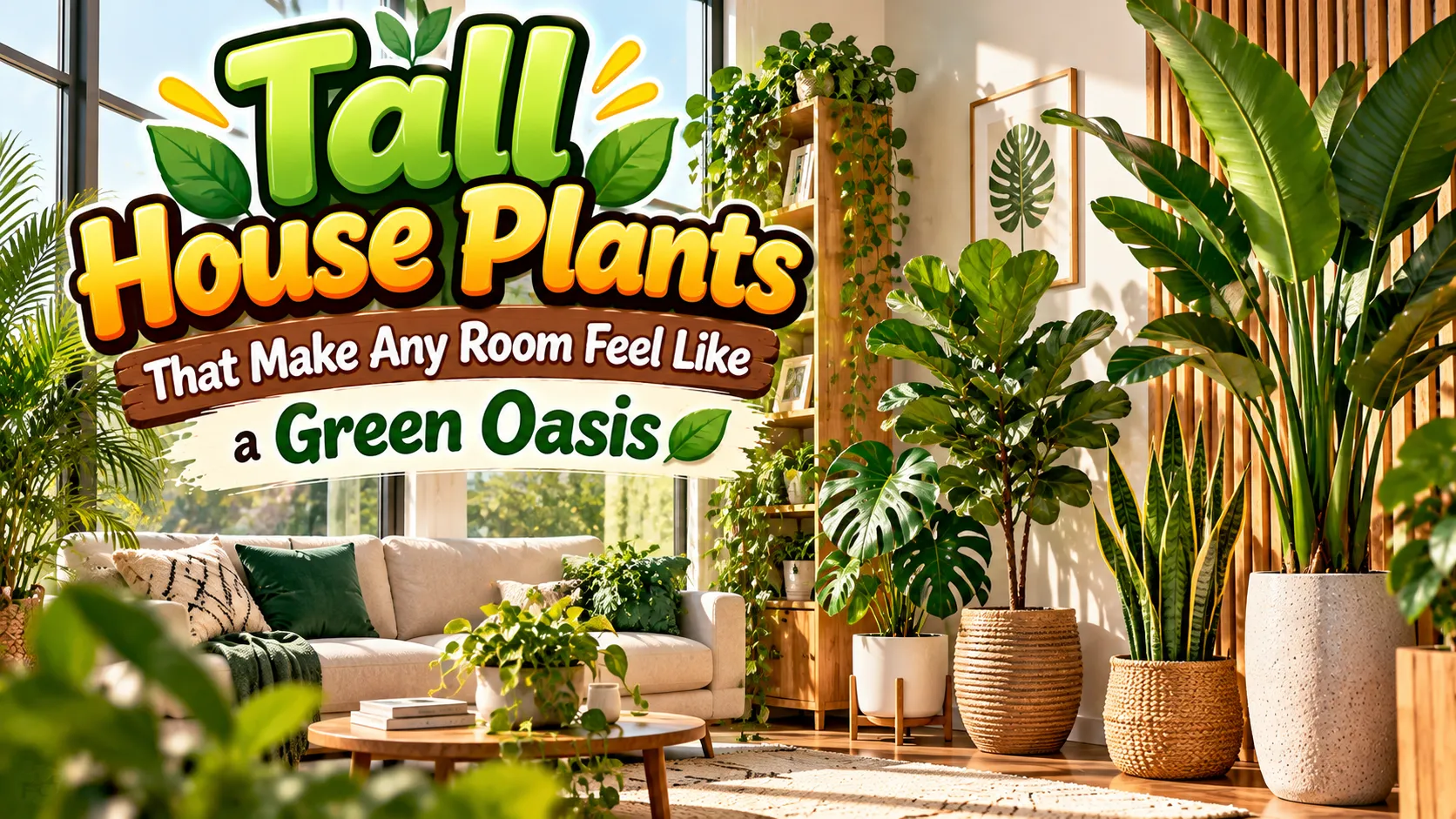
Tall house plants can transform an ordinary room into a beautiful, inviting space filled with natural charm. Whether you want to decorate an empty corner, add height beside your sofa, create a green focal point, or bring a tropical feel into your home, indoor plants with tall stems and impressive foliage offer plenty of possibilities. From elegant fiddle-leaf figs to low-maintenance snake plants, there is a variety for almost every decorating style and level of gardening experience.
The best tall indoor plants do more than fill vertical space. Their striking leaves, sculptural shapes, and different shades of green can complement modern apartments, cozy bedrooms, spacious living rooms, and home offices. Some thrive in bright, indirect light, while others tolerate lower-light conditions. Choosing the right plant depends on your available space, lighting, watering habits, and the amount of care you can provide.
In this guide, you will discover popular tall house plants, fast-growing indoor trees, low-maintenance varieties, plants for low-light rooms, and practical care tips to help your indoor greenery flourish.
🌴 Best Tall House Plants for a Beautiful Home
If you want an impressive indoor plant, start with varieties known for their height, attractive foliage, and ability to grow in containers. These tall house plants can become statement pieces without requiring a complete room makeover.
- Fiddle-Leaf Fig: This popular indoor tree features large, violin-shaped leaves and a dramatic upright form. It prefers bright, indirect light and consistent care.
- Rubber Plant: With thick, glossy leaves and a sturdy stem, the rubber plant creates a bold look in living rooms and spacious bedrooms.
- Bird of Paradise: Its broad, tropical leaves bring a resort-inspired feeling to bright interiors. It needs plenty of light to grow well.
- Corn Plant: Recognizable by its long, arching leaves and cane-like trunk, this plant adds height without taking up much floor space.
- Kentia Palm: Its graceful, arching fronds provide a soft tropical appearance and suit elegant living spaces.
- Dracaena Marginata: Also called the Madagascar dragon tree, it has narrow leaves and slender stems that create a modern silhouette.
- Monstera Deliciosa: Its large, split leaves make it a favorite for contemporary interiors. Give it a support pole as it matures.
- Umbrella Plant: Its clusters of leaflets form a lush canopy that can fill a bright corner beautifully.
- Parlor Palm: Although often smaller indoors, mature specimens can add gentle vertical interest with delicate green fronds.
- Areca Palm: Its feathery foliage creates a bright, tropical atmosphere in rooms with suitable indirect light.
🪴 Tall Indoor Plants That Are Easy to Care For
Not everyone has time for a demanding plant-care routine. Fortunately, several tall house plants tolerate occasional watering mistakes and adapt well to indoor environments when their basic needs are met.
- Snake Plant: Upright, sword-shaped leaves make this one of the best choices for narrow spaces. Allow the soil to dry between waterings.
- ZZ Plant: Its glossy leaflets grow on upright stems, giving it a tidy appearance. It tolerates lower light and infrequent watering.
- Dracaena Janet Craig: This variety has broad, dark-green leaves and an upright growth habit. It generally prefers indirect light.
- Cast-Iron Plant: Known for its resilience, this leafy plant tolerates shade better than many other indoor varieties, although growth can be slow.
- Rubber Plant: Once established in suitable light, it is relatively straightforward to maintain. Avoid leaving its roots in soggy soil.
- Corn Plant: It adapts well to typical indoor conditions and does not usually need frequent watering.
- Rhapis Palm: Also known as lady palm, it grows slowly and offers attractive fan-shaped leaves in a clumping form.
- Dracaena Fragrans: This cane-forming plant brings height to a room and generally does well with bright, indirect light or moderate indoor lighting.
Remember that easy-care does not mean indestructible. Even resilient plants need appropriate drainage, occasional feeding during active growth, and enough light to stay healthy.
🌿 Tall House Plants for Low-Light Rooms
Some homes have shaded corners, north-facing windows, or rooms that receive limited natural light. While no plant thrives in complete darkness, certain tall indoor plants can tolerate lower-light conditions better than sun-loving varieties.
- Snake Plant: Handles lower light reasonably well, though growth usually slows when light is limited.
- ZZ Plant: A dependable option for rooms with indirect light. It grows slowly and stores water in thick underground rhizomes.
- Cast-Iron Plant: Its deep-green foliage makes it suitable for shaded indoor areas.
- Dracaena Janet Craig: Often adapts to moderate or lower indoor light, making it useful for offices and living rooms.
- Kentia Palm: Can tolerate less-than-bright indoor conditions, although it grows best with good indirect light.
- Lady Palm: Its fan-shaped leaves add structure to indoor spaces with moderate light.
- Parlor Palm: A classic indoor palm that generally tolerates lower light than many tropical house plants.
- Dracaena Marginata: Can adapt to moderate indoor lighting, but brighter indirect light usually supports healthier growth.
A room that feels bright to human eyes may still be too dim for a plant. Place your plant where it receives the best available natural light, and rotate it occasionally if growth leans toward a window.
🌞 Tall House Plants That Love Bright, Indirect Light
Bright, indirect light is ideal for many popular indoor trees and tropical plants. These varieties are excellent choices for spaces near sunny windows where the foliage receives plenty of light without prolonged exposure to harsh direct sun.
- Fiddle-Leaf Fig: Develops strong growth and attractive foliage with bright, indirect light.
- Bird of Paradise: Needs abundant light and may benefit from some gentle direct sun after gradual acclimation.
- Rubber Plant: Produces vigorous growth in a bright location with protection from intense midday sun.
- Monstera Deliciosa: Grows well in bright, filtered light and may develop larger leaves as it matures.
- Umbrella Plant: Prefers bright, indirect light for a full, leafy canopy.
- Areca Palm: Appreciates a bright room and evenly moist but well-drained soil.
- Dracaena Reflexa: Its narrow, colorful foliage looks attractive in well-lit indoor spaces.
- Olive Tree: Can be grown indoors in a very bright location, ideally with several hours of direct sunlight. It is more challenging than many common house plants.
For plants near a sunny window, check the leaves regularly. Brown patches, bleaching, or scorched edges can indicate excessive direct sunlight, while pale or stretched growth may suggest insufficient light.
🌳 Fast-Growing Tall House Plants
If you want to fill an empty corner quickly, consider indoor plants that can produce noticeable growth under favorable conditions. Growth speed depends on light, temperature, water, nutrition, pot size, and the plant’s maturity.
- Monstera Deliciosa: Can grow rapidly during the warmer months when light and watering are appropriate.
- Golden Pothos: A vigorous climbing or trailing vine that can grow long stems when given suitable support.
- Heartleaf Philodendron: Produces new vines readily in favorable indoor conditions and can climb a moss pole.
- Rubber Plant: Can develop substantial height over time with sufficient light and proper care.
- Umbrella Plant: May grow into a large, bushy indoor specimen when conditions are suitable.
- Bird of Paradise: Can produce impressive new leaves during active growth in a bright room.
- Corn Plant: Gradually grows taller as its canes extend and mature.
- Swiss Cheese Vine: A climbing aroid with attractive foliage that can cover a vertical support as it develops.
For the best results, provide the right amount of light, water when needed, and feed moderately during the growing season. Avoid overfertilizing to force faster growth because excess fertilizer can damage roots and foliage.
🏡 Tall House Plants for Living Rooms
The living room is often the best place for a large indoor plant because it offers more floor space and opportunities to display dramatic foliage. A tall plant can soften hard furniture lines, fill an empty corner, or create a natural focal point.
- Bird of Paradise: A striking choice for bright living rooms with high ceilings.
- Fiddle-Leaf Fig: Works well beside a bright window or near a neutral-colored sofa.
- Kentia Palm: Adds graceful foliage without creating an overly bold appearance.
- Rubber Plant: Its broad, glossy leaves complement contemporary and minimalist interiors.
- Monstera Deliciosa: Brings a relaxed, tropical look to living spaces.
- Areca Palm: Offers a light, feathery appearance that works well in airy rooms.
- Dracaena Marginata: Fits narrow corners and modern spaces thanks to its slim profile.
- Umbrella Plant: Creates a leafy canopy that looks attractive in a decorative floor planter.
Before choosing a plant, measure the available space and consider its mature height and width. Keep pathways clear, and position large pots where people will not accidentally bump into the foliage.
🛏️ Tall Indoor Plants for Bedrooms
Tall house plants can add a calm, natural touch to bedrooms and make the space feel more inviting. Choose varieties that suit your bedroom’s lighting and fit comfortably without crowding the bed, windows, or walking areas.
- Snake Plant: Its upright leaves work well in narrow corners and simple bedroom designs.
- ZZ Plant: A neat option for a bedroom with moderate or low indirect light.
- Parlor Palm: Its delicate fronds add softness to a relaxing space.
- Rubber Plant: A beautiful option for bedrooms with bright, indirect light.
- Kentia Palm: Creates a peaceful, tropical atmosphere when given enough room.
- Cast-Iron Plant: Suits bedrooms with lower natural light, provided the space is not completely dark.
- Dracaena Marginata: Adds vertical interest without a very wide canopy.
- Corn Plant: Its arching leaves provide a lush appearance in a larger bedroom.
Plants do not replace good ventilation or healthy sleep habits. Also, check pet safety before bringing a plant into a bedroom shared with cats or dogs.
🪟 Tall House Plants for Small Spaces and Apartments
A small apartment can still accommodate tall indoor plants if you choose varieties with narrow growth habits or use vertical supports. The goal is to add greenery without blocking windows, doorways, or essential walking space.
- Snake Plant: Grows upright and occupies little horizontal space.
- Dracaena Marginata: Its slender trunk and narrow leaves suit tight corners.
- Corn Plant: Adds height while maintaining a relatively compact footprint.
- ZZ Plant: Its upright stems create a tidy, structured appearance.
- Narrow Rubber Plant: A young rubber plant can work well in a compact corner before it becomes wider.
- Heartleaf Philodendron: Can climb a support pole rather than spreading across furniture.
- Golden Pothos: Grows vertically when trained on a trellis or moss pole.
- Monstera Deliciosa: Can be trained upward, although mature leaves may still need considerable room.
Use a stable pot with drainage holes and a waterproof saucer to protect floors. If your plant is close to a radiator, air conditioner, or drafty door, move it to a more stable environment.
💧 How to Care for Tall House Plants
Large indoor plants need the same basic care as smaller varieties, but their size can make watering, cleaning, and moving them more challenging. A simple routine helps keep foliage healthy and encourages steady growth.
Water according to the soil, not the calendar. Check the soil before watering. Snake plants and ZZ plants prefer to dry out more thoroughly, while many tropical plants appreciate more consistent moisture. Empty excess water from the saucer.
Choose a pot with drainage. A decorative planter should not trap water around the roots. Use a well-draining potting mix appropriate for the plant species.
Provide suitable light. Research each plant’s lighting needs and position it accordingly. Rotate the pot occasionally for more balanced growth.
Clean the leaves. Dust can accumulate on broad leaves, so wipe them gently with a damp cloth when needed.
Feed during active growth. Many indoor plants benefit from a balanced houseplant fertilizer during spring and summer. Follow the product label and avoid overfeeding.
Check for pests. Inspect leaves and stems for spider mites, mealybugs, scale, or other pests. Isolate an affected plant while you address the problem.
Support climbing plants. Monstera and climbing philodendrons may benefit from a moss pole, trellis, or sturdy support as they grow.
🐾 Tall House Plants That Are Safer for Homes With Pets
If you share your home with cats or dogs, plant safety should be part of your selection process. Some popular tall house plants contain substances that can cause illness when chewed or swallowed, so check the exact species before bringing it home.
Options commonly considered non-toxic to cats and dogs include:
- Areca Palm: A tropical palm with soft, arching fronds.
- Kentia Palm: A graceful indoor palm suitable for bright or moderate indirect light.
- Parlor Palm: A compact palm that can develop a taller, leafy form with age.
- Lady Palm: A slow-growing palm with fan-shaped leaves.
- Cast-Iron Plant: A hardy foliage plant that tolerates lower light.
- Money Tree: A popular indoor tree with a braided trunk in many nursery specimens.
- Bamboo Palm: A leafy palm that can add height to suitable indoor spaces.
Even non-toxic plants can cause mild stomach upset if pets eat large amounts. Keep plants and pots stable, and confirm the botanical name with a reliable pet-safety resource before purchasing.
🌱 Common Mistakes to Avoid When Growing Tall Indoor Plants
A tall plant can look healthy at the store but struggle at home if its environment changes suddenly. Avoid these common mistakes to help your indoor greenery adapt and grow well.
- Overwatering: Constantly wet soil can cause root rot, especially in plants that prefer drying between waterings.
- Ignoring light requirements: A shade-tolerant plant and a sun-loving indoor tree do not have the same needs.
- Choosing the wrong pot: An oversized container can hold excess moisture, while a pot without drainage can damage roots.
- Placing plants in direct midday sun too quickly: Leaves may scorch if the plant has not adapted to the light.
- Using too much fertilizer: Excess nutrients can burn roots and create leaf damage.
- Forgetting mature size: A plant that looks small at the nursery may eventually need considerable height and width.
- Moving plants too often: Repeated changes in light and temperature can stress some species.
- Ignoring pests: Regularly checking leaves can help you spot problems before they spread.
❓ Frequently Asked Questions About Tall House Plants
What are the best tall house plants for beginners?
Snake plants, ZZ plants, corn plants, and some dracaena varieties are good starting points. Their care needs are relatively manageable, although they still require suitable light, proper drainage, and appropriate watering.
Which tall indoor plants grow best in low light?
ZZ plants, snake plants, cast-iron plants, parlor palms, and dracaena Janet Craig can tolerate lower-light conditions. They still need some usable light, and growth may slow in dim rooms.
What is the tallest house plant you can grow indoors?
Bird of Paradise, fiddle-leaf fig, rubber plant, and some dracaena species can grow several feet tall indoors under suitable conditions. Their eventual size depends on the variety, growing environment, container, and care.
Which tall house plants are safe for cats and dogs?
Areca palms, parlor palms, kentia palms, lady palms, and cast-iron plants are generally considered non-toxic to cats and dogs. Always verify the exact plant species before purchasing.
How do I make my indoor plant grow taller?
Give your plant the light it needs, water according to its soil moisture, use a suitable potting mix, and fertilize appropriately during active growth. Climbing plants may also grow upward when provided with a sturdy support.
How often should I water tall house plants?
There is no single schedule for every plant. Watering frequency depends on the species, pot size, soil, temperature, light, and season. Check the soil before watering instead of following a fixed timetable.
🌿 Final Thoughts
Tall house plants are an easy way to bring natural beauty, texture, and personality into your home. Whether you prefer the bold leaves of a rubber plant, the tropical appearance of a bird of paradise, or the simple upright shape of a snake plant, the right indoor greenery can make a room feel more complete.
Before choosing a plant, consider your available light, floor space, watering routine, and household pets. Start with a variety that matches your environment, then give it time to adjust and grow. With thoughtful placement and consistent care, your tall indoor plants can become beautiful features of your living room, bedroom, apartment, or home office.

Ethan Carter is a nature enthusiast and content writer with a passion for flowers and botanical knowledge. He is the author behind FlowerNamez, where he shares simple and informative content about flower names, types, and meanings.
With a focus on clarity and accuracy, Ethan aims to help readers explore the beauty of flowers and understand their significance in everyday life.